

Please note: RegenTech Physical Therapy is not currently accepting new pelvic floor therapy patients. We continue to offer orthopedic, sports, post-surgical, and regenerative physical therapy. Contact us with any questions.
Chronic pain or ongoing discomfort from pelvic floor dysfunction can make daily life in Lewiston, ID, feel overwhelming. These issues often weaken muscle coordination, impact your core strength, and cause stubborn lower back pain that just will not resolve with basic exercises. Targeted regenerative therapies bring new hope by combining modern technology with science-backed methods to restore muscle function, minimize pain, and help you reclaim your routine after traditional rehab has fallen short.
Core Strength and Pelvic Floor Dysfunction
Pelvic floor dysfunction represents a complex physiological challenge where core muscle coordination and neuromuscular control become compromised. Targeted muscle training strategies can significantly improve overall muscle function and rehabilitation outcomes.
The relationship between core strength and pelvic floor health is deeply interconnected. Weakness in the core muscles directly impacts pelvic floor stability, leading to potential issues like lower back pain, reduced muscle coordination, and decreased athletic performance. Pelvic Floor Muscle Dysfunction manifests through various symptoms that extend beyond simple muscle weakness:
- Chronic lower back pain
- Reduced muscle coordination
- Compromised balance and stability
- Potential urinary or bowel movement complications
- Decreased athletic performance
Research demonstrates that integrated training approaches can dramatically improve pelvic floor muscle function. Combined core and pelvic floor training has shown remarkable results in enhancing trunk muscle endurance and reducing lower back pain severity, particularly among sedentary populations.
The biomechanical implications of pelvic floor dysfunction are profound. Impaired muscle coordination can create compensatory movement patterns that increase injury risk and reduce overall physical performance. Targeted rehabilitation strategies focusing on neuromuscular re-education can help patients restore proper muscle engagement and functional movement.
Pro Tip: Consult a specialized pelvic floor physical therapist to develop a personalized muscle retraining program tailored to your specific dysfunction and recovery goals.
How Regenerative Therapies Aid Recovery
Regenerative therapies represent a cutting-edge approach to addressing pelvic floor dysfunction, offering innovative solutions beyond traditional rehabilitation techniques. Pelvic floor physical therapy interventions integrate multiple advanced techniques to restore muscle function and promote healing.
These therapeutic approaches leverage sophisticated technologies to address complex muscular and neurological challenges. Key regenerative strategies include:
- Biofeedback training
- Electrical muscle stimulation
- Manual therapeutic techniques
- Neuromuscular re-education protocols
- Targeted tissue healing interventions
The scientific foundation of regenerative therapies is rooted in comprehensive understanding of muscle physiology and neurological adaptation. Biofeedback-based rehabilitation techniques demonstrate remarkable potential in treating chronic conditions like pelvic floor disorders, offering patients non-invasive solutions for muscle dysfunction.
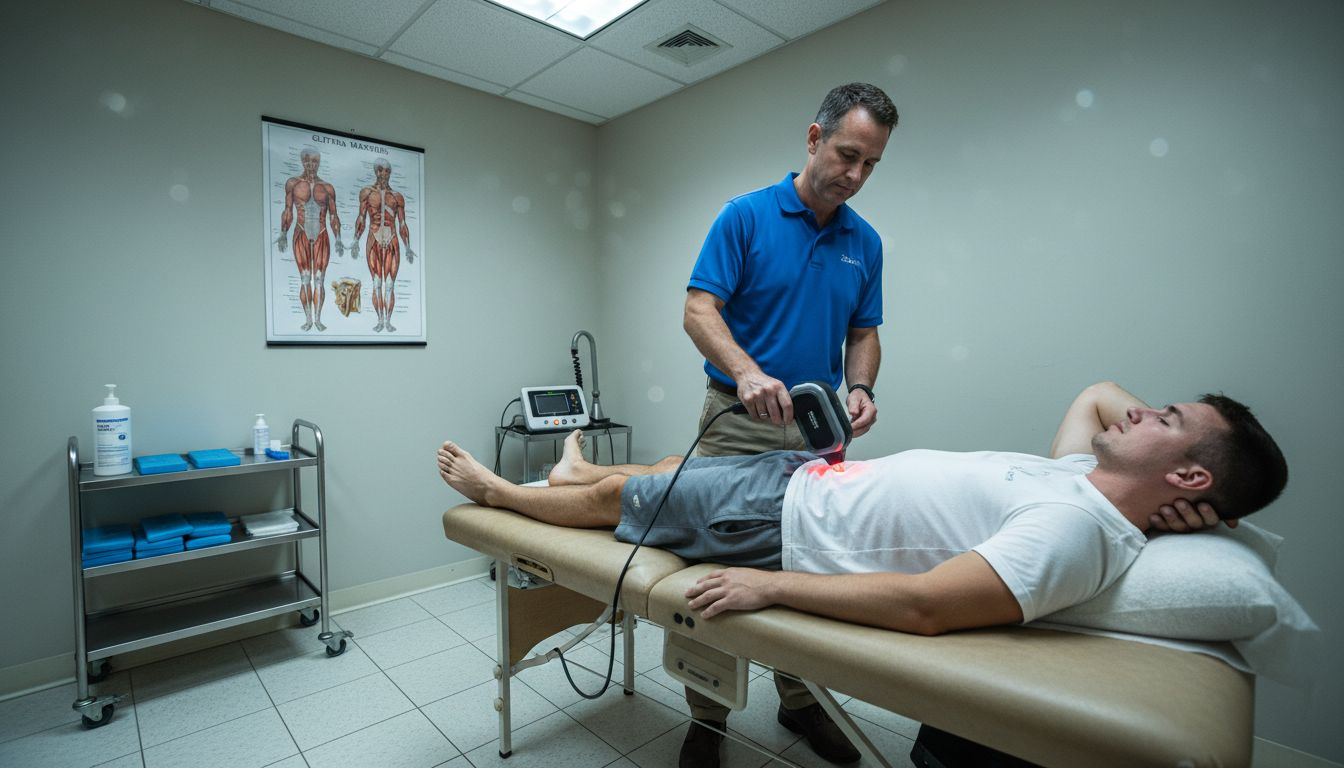
Modern regenerative approaches focus on restoring proper muscle activation patterns and coordination. By targeting underlying neuromuscular imbalances, these therapies help patients rebuild strength, improve functional movement, and reduce chronic pain associated with pelvic floor dysfunction. The integration of advanced technologies allows for precise, personalized treatment strategies that address individual patient needs.
Pro Tip: Combine regenerative therapy sessions with consistent at-home exercises to maximize rehabilitation outcomes and accelerate muscle recovery.
Laser Therapy for Pelvic Muscle Activation
Laser therapy represents a revolutionary approach to addressing pelvic floor dysfunction, offering precise and non-invasive muscle rehabilitation strategies. Intravaginal electrical stimulation techniques demonstrate significant potential in improving muscle activation and reducing urinary incontinence symptoms.
The therapeutic mechanism of laser intervention focuses on multiple critical physiological processes:
- Cellular-level inflammation reduction
- Enhanced blood circulation
- Neuromuscular stimulation
- Pain management
- Accelerated tissue healing
Scientific research highlights the sophisticated ways laser therapy interacts with pelvic muscle tissues. Near-infrared laser treatments facilitate deep tissue regeneration by stimulating cellular repair mechanisms and promoting optimal muscle function.
Modern laser therapy approaches target precise muscle groups with minimal invasiveness. By delivering controlled energy directly to affected tissues, these treatments help patients restore muscle coordination, reduce chronic pain, and improve overall pelvic floor functionality. The targeted nature of laser interventions allows for personalized rehabilitation strategies that address individual patient needs.
Key regenerative therapy techniques and their expected impacts are summarized below:
| Therapy Technique | Primary Focus | Expected Patient Benefit |
|---|---|---|
| Biofeedback Training | Muscle activation awareness | Improved coordination control |
| Electrical Stimulation | Neuromuscular re-education | Faster recovery, reduced pain |
| Shockwave Therapy | Tissue regeneration | Enhanced healing, less downtime |
| Laser Therapy | Cellular repair | Reduced inflammation, better function |
Pro Tip: Consult a specialized physical therapist to develop a comprehensive laser therapy treatment plan tailored to your specific pelvic floor dysfunction.
Shockwave Therapy Stimulates Tissue Healing
Shockwave therapy represents a groundbreaking approach to soft tissue rehabilitation, offering precise and non-invasive healing mechanisms for musculoskeletal conditions. Focused acoustic wave treatments stimulate remarkable cellular regeneration processes that enhance tissue recovery.
The intricate mechanism of shockwave therapy involves multiple sophisticated healing pathways:
- Accelerated cell proliferation
- Enhanced blood circulation
- Neovascularization stimulation
- Inflammatory response modulation
- Pain pathway recalibration
Clinical research demonstrates the remarkable potential of these acoustic wave interventions. Extracorporeal Shockwave Therapy provides a noninvasive method of triggering the body’s natural healing mechanisms by delivering targeted energy waves directly into damaged tissue regions.
Modern shockwave approaches leverage precise energy delivery to stimulate deep tissue repair. By creating controlled microtrauma, these treatments activate the body’s intrinsic healing responses, promoting faster recovery and reducing chronic pain. The targeted nature of shockwave therapy allows for personalized rehabilitation strategies that address specific tissue damage and functional limitations.
Pro Tip: Consult a specialized physical therapist to develop a comprehensive shockwave treatment plan customized to your specific tissue healing requirements.
Benefits Over Traditional Pelvic Rehab Methods
Regenerative pelvic rehabilitation represents a significant advancement beyond conventional exercise approaches. Comprehensive pelvic floor assessments provide targeted interventions that address complex muscle dysfunction more effectively than traditional methods.
The key distinctions between regenerative and traditional pelvic rehabilitation include:
- Personalized treatment protocols
- Advanced diagnostic techniques
- Multi-dimensional muscle function analysis
- Integrated technology-assisted interventions
- Holistic approach to muscle coordination
Traditional rehabilitation often relied on generic exercise prescriptions, whereas modern approaches recognize the intricate nuances of pelvic floor mechanics. Individualized neuromuscular strategies now enable practitioners to develop precise, patient-specific treatment plans that address underlying dysfunction more comprehensively.
Regenerative techniques leverage cutting-edge technologies like biofeedback, electrical stimulation, and laser therapy to provide deeper insights into muscle performance. These advanced methods allow for real-time assessment and immediate intervention, creating more dynamic and responsive rehabilitation experiences that adapt to each patient’s unique physiological requirements.
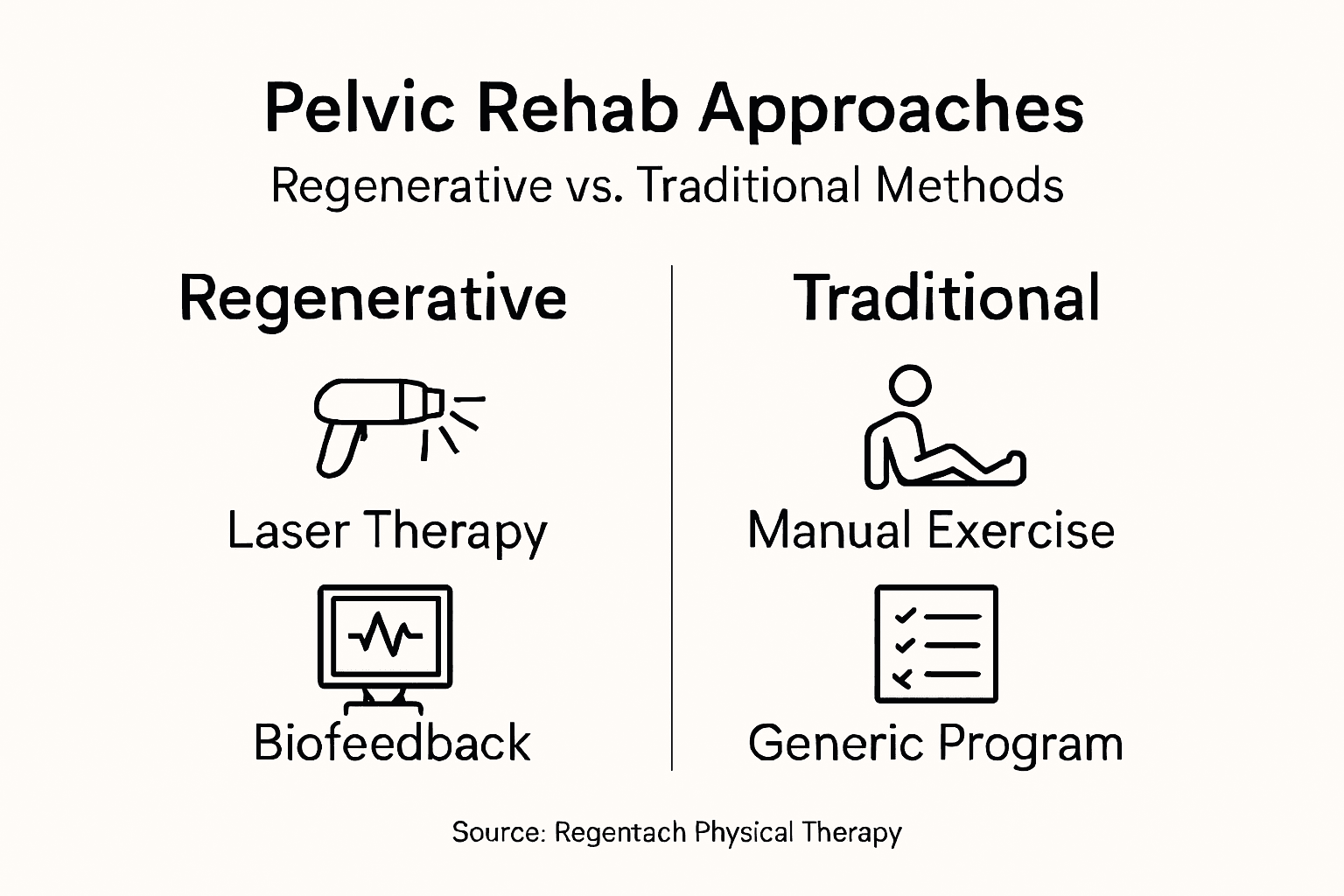
Here’s a comparison of modern regenerative pelvic therapies and traditional rehabilitation methods:
| Approach | Assessment Method | Technology Use | Treatment Personalization |
|---|---|---|---|
| Regenerative Therapies | Comprehensive biomechanical analysis | Advanced devices (e.g., laser, shockwave) | Individualized for each patient |
| Traditional Methods | Basic physical evaluation | Minimal technology involvement | Generalized exercise plans |
Pro Tip: Request a comprehensive biomechanical assessment to understand your specific pelvic floor dysfunction and develop a truly personalized rehabilitation strategy.
Safety, Effectiveness, and Patient Experience
Regenerative pelvic therapies represent a breakthrough in patient-centered rehabilitation, offering unprecedented safety and effectiveness for individuals struggling with pelvic floor dysfunction. High-Intensity Focused Electromagnetic therapy demonstrates remarkable potential in delivering consistent, measurable treatment outcomes.
Key aspects of safety and patient experience include:
- Non-invasive treatment protocols
- Minimal side effect profiles
- Personalized therapeutic approaches
- Real-time treatment adjustments
- Objective symptom tracking
Clinical research increasingly validates the comprehensive benefits of advanced regenerative techniques. Emerging clinical practice guidelines emphasize patient-reported improvements in quality of life and sustained symptom reduction, highlighting the transformative potential of these innovative rehabilitation strategies.
Modern regenerative therapies prioritize patient comfort and long-term outcomes. By integrating advanced technologies with precise diagnostic techniques, practitioners can develop nuanced treatment plans that adapt to individual physiological requirements, ensuring both safety and effectiveness throughout the rehabilitation process.
Pro Tip: Request a comprehensive initial assessment to understand your unique treatment parameters and potential regenerative therapy outcomes.
Unlock Core Strength Recovery with Regenerative Pelvic Rehab
Pelvic floor dysfunction can disrupt your core stability and cause chronic pain, reduced muscle coordination, and limited athletic performance. Understanding the critical relationship between core strength and pelvic health is the first step toward lasting recovery. RegenTech Physical Therapy offers advanced regenerative techniques such as laser therapy, shockwave therapy, and electrical stimulation designed to restore neuromuscular control and accelerate healing. These personalized treatments directly address key challenges like impaired muscle activation and pelvic instability to help you regain confidence and functional strength.
Experience a next-level approach with our tailored three-phase program that focuses on Regenerate, Restore, and Rise. Visit our Pelvic Health Archives – Regentech Physical Therapy to learn more about targeted pelvic therapies or explore innovative modalities in our Regenerative Rehab Archives – Regentech Physical Therapy. Ready to embrace a powerful recovery journey that truly works?
Take control of your core and pelvic health today by scheduling a personalized assessment at Regentech Physical Therapy. Discover how advanced regenerative rehab can restore your strength and transform your quality of life.
Frequently Asked Questions
What is pelvic floor dysfunction and how does it relate to core strength?
Pelvic floor dysfunction occurs when the coordination and control of core muscles are compromised, leading to issues such as lower back pain, reduced coordination, and even urinary complications. Weak core muscles can impact pelvic floor stability, exacerbating these problems.
How can regenerative therapies improve pelvic floor rehabilitation?
Regenerative therapies, such as biofeedback, electrical stimulation, and laser therapy, can enhance muscle function and promote healing by targeting neuromuscular imbalances and improving muscle activation. These methods provide personalized interventions that traditional rehabilitation approaches may not adequately address.
What are the benefits of using laser therapy for pelvic floor dysfunction?
Laser therapy offers a non-invasive solution that helps reduce inflammation, enhance blood circulation, and stimulate neuromuscular activity. It effectively promotes tissue healing and muscle coordination, improving overall pelvic floor functionality.
How does shockwave therapy aid in tissue healing for pelvic floor issues?
Shockwave therapy uses focused acoustic waves to stimulate cellular regeneration and enhance blood circulation. This non-invasive method triggers the body’s natural healing processes, leading to faster recovery from soft tissue injuries associated with pelvic floor dysfunction.
Recommended


