

Chronic pain and slow recovery can keep active adults in Lewiston from living life fully. Modern laser therapy offers a proven medical solution that uses focused light to stimulate cellular healing without harming surrounding tissue. Photobiomodulation accelerates recovery by increasing energy production inside your cells and reducing inflammation naturally. This introduction separates fact from fiction about laser treatments, explains how laser types impact results, and shows why consistent sessions lead to sustained pain relief and better mobility.
Laser Therapy Basics And Common Myths
Laser therapy sounds futuristic, but it’s actually a proven medical treatment that uses focused light to accelerate healing. The acronym LASER stands for light amplification by stimulated emission of radiation, but what matters most is how it works for your pain and recovery.
Here’s what happens during treatment: A specialized device delivers concentrated light energy deep into your damaged tissue. This light doesn’t burn randomly—it targets specific problem areas with precision, stimulating cellular activity without harming surrounding healthy tissue.
How It Works
The laser therapy approach at RegenTech focuses on Class IV lasers, which penetrate deeper than older models. When light reaches your injured tissue, it triggers important biological responses:
- Increases cellular energy in mitochondria, your cells’ power plants
- Reduces inflammation by calming overactive immune responses
- Improves blood flow to speed nutrient delivery and waste removal
- Accelerates tissue repair at the cellular level
This isn’t magic—it’s photobiology, the science of how light affects living tissue.
Separating Fact From Fiction
Laser therapy myths keep people from trying treatments that could transform their recovery. Let’s bust three major misconceptions.
Myth 1: Lasers Burn Skin
Wrong. The precision of laser light allows healthcare providers to safely treat tissue without injuring surrounding areas. Class IV lasers deliver therapeutic heat deep inside your tissue, not surface burns. You’ll feel warmth during treatment, not pain.
Myth 2: It’s Just Heat Therapy
Not even close. Heating a sore shoulder with a pad feels good temporarily. Laser therapy rewires your cells at the mitochondrial level, creating lasting healing changes. The difference? Traditional heat fades when you stop; laser therapy benefits compound over multiple sessions.
Myth 3: Results Are Only Temporary
Actually, consistent laser therapy builds cumulative benefits. Each session stimulates more healing activity. Active adults in Lewiston who complete their full treatment plan report sustained improvements in mobility and pain reduction months after finishing.
What Makes It Different From Other Treatments
Laser therapy fits into a complete recovery strategy. While ice reduces swelling and stretching improves flexibility, laser therapy actually repairs the underlying damage.
You’re not just managing symptoms—you’re addressing root causes.
Class IV laser therapy stimulates your body’s natural healing mechanisms at the cellular level, creating changes that last long after treatment ends.
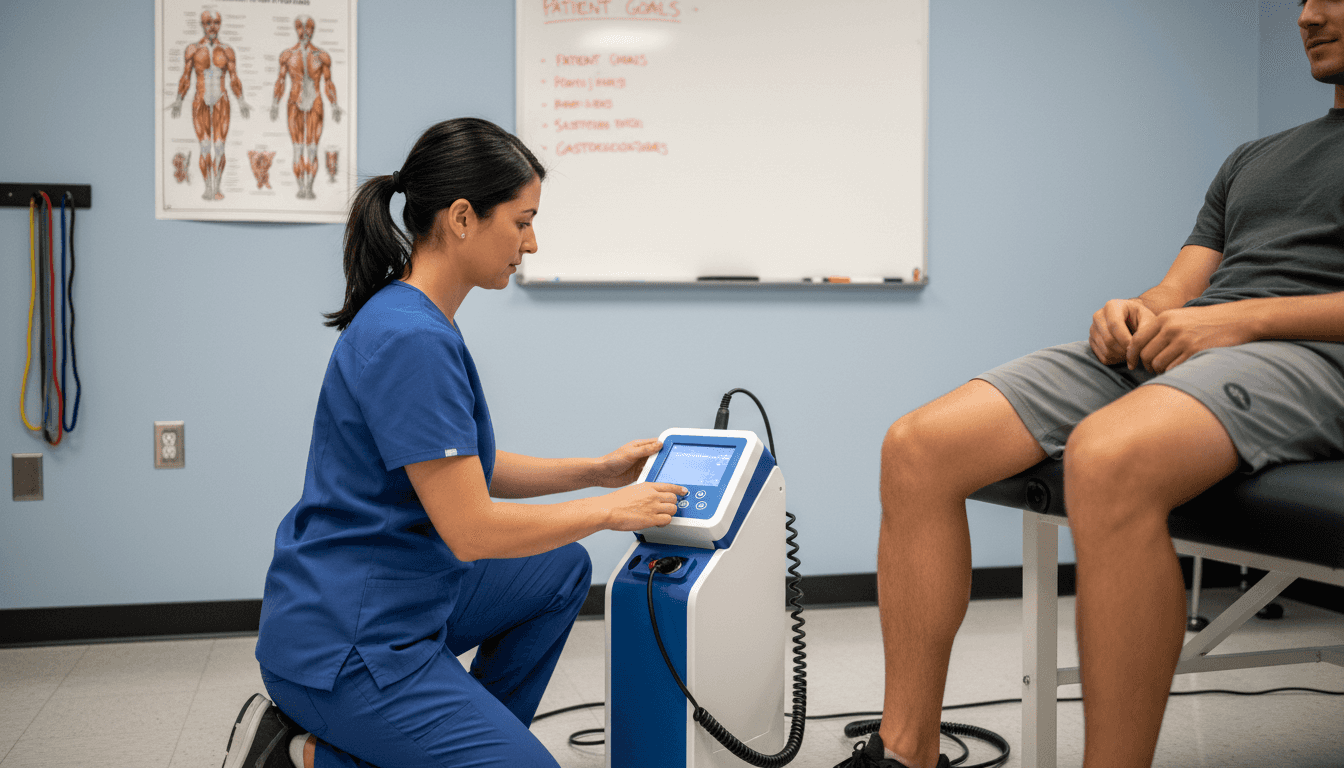
The treatment process is straightforward: a therapist positions the laser head over your problem area, applies light energy for several minutes, and you’re done. No downtime. No injections. No medications. Sessions typically last 10-15 minutes.
Pro tip: Schedule laser therapy sessions consistently—usually 2-3 times weekly—to build healing momentum. Skipping sessions interrupts the cumulative cellular benefits that make this treatment effective.
Types Of Laser Therapy In Physical Medicine
Not all lasers work the same way. Physical medicine uses different laser types depending on treatment goals, tissue depth, and the specific problem you’re addressing. Understanding which type you’re receiving helps you know what to expect and why your therapist chose that approach.
Class IV Lasers: The Deep Healers
Class IV lasers deliver the most power and penetrate the deepest into tissue—sometimes reaching 2-3 inches below the skin surface. This makes them ideal for chronic pain affecting muscles, tendons, and joints that active adults in Lewiston commonly experience.
Class IV lasers work through photobiomodulation, a process where light stimulates cellular energy production. They’re particularly effective for:
- Chronic tendonitis and ligament injuries
- Post-surgical recovery and scar tissue
- Osteoarthritis and joint inflammation
- Muscle strains and repetitive stress injuries
These are the workhorses of physical therapy clinics because they address deeper tissue damage that ice and basic stretching cannot reach.
Low-Level Laser Therapy: Gentle But Effective
Low-level laser therapy, also called cold laser therapy, uses lower power to stimulate healing without generating significant heat. It works at the cellular level through the same photobiomodulation process as Class IV lasers, but penetrates less deeply.
This approach excels at reducing inflammation, relieving localized pain, and enhancing cell function. It’s particularly useful for:
- Superficial wounds and skin conditions
- Acute inflammation in small areas
- Sensitive areas where deep heat isn’t appropriate
- Conditions like fibromyalgia require gentler stimulation
Low-level lasers take longer to produce results but offer a gentler option for certain injury types.
Here’s how Class IV and low-level laser therapies compare in physical medicine:
| Attribute | Class IV Laser Therapy | Low-Level Laser Therapy |
|---|---|---|
| Power Output | High (wattage above 0.5W) | Low (typically under 0.5W) |
| Penetration | Deep, up to 2-3 inches | Shallow, mainly skin/surface |
| Treatment Speed | Fast results, shorter visits | Gradual results, longer plan |
| Best for | Muscle, tendon, joint issues | Superficial wounds, sensitive areas |
How Laser Types Differ
The main differences come down to power, penetration depth, and treatment time. Class IV lasers deliver results faster for deep tissue problems. Low-level lasers work more gradually but suit specific conditions better.
Your therapist selects the laser type based on your injury location and severity. At RegenTech, we use advanced physical therapy protocols to match the right laser to your condition.
The most powerful laser isn’t always the best choice—the right laser for your specific injury produces the fastest healing with the best outcomes.
Why Type Matters For Your Recovery
Using the correct laser type means treatment works efficiently. A deep rotator cuff injury won’t respond to low-level therapy alone, just like a sensitive superficial area doesn’t need maximum power.
Your therapist’s experience in selecting the appropriate laser type directly impacts how quickly you recover. This precision approach is why RegenTech’s three-phase protocol—Regenerate, Restore, Rise—produces consistent results.
Pro tip: Ask your therapist which laser type you’re receiving and why it matches your injury. Understanding the treatment choice helps you commit fully to the healing process and recognize progress signs.
How Laser Therapy Accelerates Healing
Laser therapy doesn’t just make pain feel better temporarily—it actually rewires how your body heals at the cellular level. Understanding this process helps you appreciate why consistent treatment produces cumulative benefits over time.
The magic happens inside your cells’ mitochondria, the energy powerhouses that fuel all healing activity. When laser light penetrates tissue, something remarkable occurs at the molecular level.
The Cellular Healing Cascade
Red and infrared wavelengths are absorbed by cytochrome C oxidase in your mitochondria, which enhances cellular metabolism significantly. This single action triggers a cascade of biological effects that transform how your body repairs itself.
Here’s what happens in sequence:
- Light energy stimulates ATP production, your cells’ fuel source
- Increased ATP powers repair mechanisms throughout damaged tissue
- Anti-inflammatory responses are activated, reducing swelling naturally
- Blood flow improves, delivering oxygen and nutrients where needed most
- Tissue regeneration accelerates at the cellular level
This isn’t generic inflammation reduction—it’s targeted cellular optimization.
Why Healing Accelerates
Your body wants to heal. Injured tissue naturally initiates repair processes, but those processes move slowly without proper cellular fuel. Laser therapy addresses the energy bottleneck directly.
Active adults in Lewiston with chronic pain often have cells operating at reduced efficiency. Scar tissue, old injuries, and inflammation have limited their mitochondrial function. Laser therapy restores that cellular energy production, allowing healing to proceed at its natural maximum speed.
The result? Recovery that typically takes months happens in weeks.
Tissue Regeneration And Scar Management
Laser therapy does something conventional therapy cannot: it actually normalizes damaged tissue. Laser treatments bolster collagen normalization and balance growth factors essential to healing, particularly after serious injuries.
For scar tissue specifically:
- Makes tissue softer and more pliable
- Improves texture and reduces visible scarring
- Restores functional mobility in restricted areas
- Offers benefits without surgical intervention
This regenerative approach works because laser therapy leverages your skin’s innate healing potential rather than just managing symptoms.
Laser therapy accelerates healing by restoring cellular energy production, allowing your body’s natural repair mechanisms to operate at peak efficiency.
The Cumulative Benefit Advantage
Each laser session builds on the previous one. Your cells become increasingly efficient at energy production, inflammation subsides progressively, and tissue repair compounds across treatments.
Skipping sessions interrupts this momentum. Consistency matters more than individual session intensity because healing is cumulative. Three sessions weekly for six weeks produce measurably better outcomes than sporadic treatment.
Pro tip: Track your pain levels and mobility improvements weekly during treatment. Seeing measurable progress reinforces consistency and helps you recognize the cumulative healing benefits working beneath the surface.
Pain Reduction And Enhanced Mobility Benefits
Chronic pain doesn’t just hurt—it restricts your life. You avoid activities you love, your muscles weaken from inactivity, and movement becomes something to fear instead of enjoy. Laser therapy breaks this painful cycle by addressing both pain and the mobility loss that follows.
The transformation happens at two levels simultaneously: inflammation decreases while your ability to move improves. For active adults in Lewiston, this dual benefit means returning to the activities that define your lifestyle.
How Pain Actually Decreases
High-powered lasers facilitate healing by stimulating mitochondria to release anti-inflammatory mediators and growth factors. This isn’t surface-level pain masking—it’s addressing the inflammation causing your discomfort.
When inflammation drops:
- Nerve irritation decreases naturally
- Swelling subsides, reducing pressure on tissues
- Chemical signals that trigger pain diminish
- Your body can finally focus on repair instead of defending
Patients with chronic conditions report significant pain reduction after just a few sessions. The relief compounds as treatment continues, not because you’re adjusting to the therapy, but because inflammation is genuinely decreasing.
Restoring Movement You Thought Was Gone
Pain creates protective muscle tension. Your body tightens around the injured area to prevent further damage, but this protective response limits your range of motion. Once pain decreases, you regain freedom you’d nearly forgotten.
Deep tissue laser therapy penetrates soft tissue to reduce inflammation and accelerate healing, effectively treating pain associated with conditions like low back pain, tendonitis, arthritis, and sports injuries. Enhanced mobility follows naturally as inflammation clears.
You’ll notice improvements like:
- Shoulders that rotate further without catching
- Knees that bend more comfortably during stairs
- Hips that move with less restriction
- Lower backs that don’t seize up after sitting
The Non-Invasive Alternative
Laser therapy offers results without drugs, injections, or surgery. The treatment itself feels like soothing warmth, not pain. Sessions last 10-15 minutes, and you return immediately to your day—no recovery time needed.
This matters because consistency drives results. You can do laser therapy three times weekly without the fatigue or side effects that accompany other interventions.
Pain reduction and mobility improvement create a positive cycle—less pain means more movement, and more movement accelerates healing further.
Real Outcomes For Real People
Active adults who complete their full laser therapy treatment plan report sustained improvements. They’re hiking again, playing sports, or simply moving through their day without constant discomfort.
The key difference: these aren’t temporary fixes. Because laser therapy addresses underlying inflammation and cellular repair, the benefits persist long after treatment ends.
Pro tip: Start mobility exercises as your pain decreases during treatment. Work with your RegenTech therapist to gradually introduce movement that rebuilds strength and function without re-injuring healing tissue.
Comparing Laser Therapy To Traditional Approaches
You’ve probably tried ice, stretching, physical therapy, and maybe even pain medication. Some helped temporarily. Others came with side effects or didn’t address the root problem. Laser therapy works differently—and the results reflect that difference.
Understanding how laser therapy compares to what you’ve already tried helps you see why it produces outcomes that traditional approaches often cannot match.
The Medication Route: Temporary Relief With Real Risks
Opioids and NSAIDs mask pain without healing underlying damage. You feel better temporarily, but the injury continues deteriorating. Worse, nonopioid therapies like laser therapy are recommended because they provide effective pain relief without opioid risks.
Traditional pain medications create problems of their own:
- Dependency potential with opioid use
- Gastrointestinal issues from NSAIDs
- Liver stress from prolonged medication use
- Temporary relief requiring repeated dosing
- Masks pain without addressing causes
Laser therapy produces actual healing rather than merely managing symptoms.
Physical Therapy: Good Foundation, Limited Ceiling
Standard physical therapy helps—stretching and strengthening matter. But traditional PT works within your pain limitations. If movement hurts, you cannot fully engage in the exercises that would rebuild strength.
Laser therapy removes that ceiling. Reducing inflammation and pain first, it allows you to participate more fully in therapeutic exercises. The combination produces superior outcomes compared to either approach alone.
Ice And Heat: Temporary Symptom Management
Ice reduces swelling. Heat relaxes muscles. Both feel good temporarily. Neither actually repairs tissue nor accelerates healing at the cellular level.
Laser therapy does what ice and heat cannot: it stimulates mitochondrial function, triggering actual tissue repair. While ice fades the moment you remove it, laser benefits compound across sessions.
Surgery: Invasive, Slow Recovery, Expensive
Surgery addresses serious structural damage but comes with high costs. Recovery takes months. Infection risk exists. Anesthesia carries its own complications.
Laser therapy benefits provide noninvasive alternatives that improve pain and function without surgical trauma, recovery time, or hospital bills.
The table below summarizes how laser therapy differs from other pain management methods:
| Method | Approach | Limitations | Long-Term Benefit |
|---|---|---|---|
| Laser Therapy | Cellular repair | Requires multiple sessions | Sustained improvement |
| Pain Medication | Symptom masking | Side effects, dependency | Relief quickly fades |
| Physical Therapy | Exercise-based | Restricted by pain | Improves with less pain |
| Ice/Heat | Surface relief | No tissue repair | Temporary only |
| Surgery | Invasive repair | High cost, long recovery | Possible, risk of relapse |
Laser therapy addresses what traditional approaches cannot: actual cellular repair without surgery, medications, or the side effects that accompany them.
Why Patients Are Switching
Use of complementary health approaches for pain has risen significantly as patients prefer nonpharmacologic therapies with fewer side effects. People are choosing laser therapy because it works differently and works better.
Active adults in Lewiston tired of masking pain are discovering that laser therapy actually solves the problem rather than hiding it.
The Combined Approach
Laser therapy isn’t meant to replace physical therapy—it enhances it. The ideal recovery combines laser therapy with targeted exercises, creating a synergistic effect where each component amplifies the others.
This is why RegenTech’s three-phase protocol works: Regenerate (laser therapy to heal), Restore (therapy to rebuild), Rise (return to full function).
Pro tip: Don’t abandon physical therapy for laser therapy. Use laser treatment to reduce pain enough that you can fully engage in the strengthening exercises that complete your recovery.
Discover Advanced Laser Therapy Solutions for Lasting Pain Relief and Faster Recovery
Struggling with chronic pain that limits your movement and disrupts your daily life? This article highlights how laser therapy stimulates cellular healing to reduce inflammation, accelerate tissue repair, and restore mobility. If you are seeking a proven, noninvasive treatment that goes beyond temporary pain relief, RegenTech Physical Therapy offers personalized care using Class IV laser therapy as part of our comprehensive approach. We combine innovative regenerative techniques with hands-on therapy to empower you to rise above chronic pain.
Experience the power of cutting-edge regenerative medicine at RegenTech. Our unique three-phase program, Regenerate, Restore, Rise, helps rebuild strength while targeting the root causes of pain at the cellular level. Don’t wait for chronic discomfort to worsen. Schedule your consultation today at Regentech Physical Therapy and learn more about how our advanced laser therapy and supportive treatments can help you regain control over your health and mobility.
Frequently Asked Questions
What is laser therapy, and how does it work?
Laser therapy is a medical treatment that uses focused light to accelerate healing. It works by delivering concentrated light energy deep into damaged tissues, stimulating cellular activity, increasing energy in cells, reducing inflammation, and improving blood flow.
Is laser therapy safe for my skin?
Yes, laser therapy is safe for your skin. The precision of laser light allows healthcare providers to treat specific areas without burning surrounding tissues. You may feel warmth during the treatment, but it should not cause pain or injury.
How many laser therapy sessions are needed for effective results?
The number of laser therapy sessions needed varies depending on the condition being treated. For optimal results, it is recommended to schedule sessions consistently, typically 2-3 times weekly, to build cumulative healing momentum.
What are the differences between Class IV lasers and low-level laser therapy?
Class IV lasers deliver high power and penetrate deeper into tissues, making them ideal for treating chronic pain in muscles and joints. Low-level laser therapy uses lower power for surface-level treatment and is typically effective for superficial injuries and conditions requiring gentler stimulation.


