

When everyday tasks like climbing stairs or lifting a grocery bag become challenging after surgery or injury, the search for lasting relief grows urgent. Many active adults in Lewiston are rediscovering the power of functional strength that lasts, which goes far beyond muscle size to strengthen bones and connective tissues and improve real-life movement. This guide reveals how innovative physical therapy methods support recovery, boost daily confidence, and help you reclaim independence using targeted techniques backed by research.
Defining Real-Life, Efficient Strength
Strength isn’t about lifting the heaviest weight in the gym or looking a certain way. Real-life efficient strength means having the physical capability to do what your body needs to do every single day, whether that’s carrying groceries up the stairs without pain, getting up from a chair without using your hands, or playing with your grandkids without worrying about your knees giving out. This is the kind of strength that actually matters when you’re recovering from surgery or injury in Lewiston. It’s about functional strength that lasts, not just aesthetic muscle. When we talk about efficient strength, we’re focusing on your entire musculoskeletal system, strengthening not just the muscles but also bones and connective tissues that reduce injury risk and improve how your body moves and performs.
The science backs this up. Muscle strength is fundamental to maintaining normal activity throughout your life, and strength decline with age presents a serious challenge for independence and health. But here’s what makes real-life strength different from traditional strength training. A person recovering from shoulder surgery doesn’t need to bench press their body weight. They need to confidently lift their arm overhead without compensating through their lower back. They need to sleep without waking up in pain. They need to return to activities that matter to them, whether that’s gardening, golf, or simply living without constant worry about re-injury. That’s efficient strength. It’s movement that works specifically for your body type, your current condition, and your lifestyle. It’s the ability to move confidently and consistently as you age, knowing your body won’t betray you when you need it most.
Building efficient strength requires a personalized approach. What works for a 35-year-old athlete recovering from a knee injury differs from what works for a 65-year-old managing chronic shoulder pain. Real-life strength training addresses your individual variability in muscle quality and capacity. It considers where you are right now, what holds you back, and what movement patterns you actually need. The goal isn’t perfection in form or reaching arbitrary numbers on a scale. The goal is sustainable movement that gets stronger over time, movement you can trust, and movement that keeps you doing the things that make life worth living.
Here’s a comparison of traditional strength training versus real-life efficient strength approaches:
| Aspect | Traditional Strength Training | Real-Life Efficient Strength |
|---|---|---|
| Main Goal | Maximize weight lifted | Improve functional daily movement |
| Focus | Muscle size and aesthetics | Movement quality and confidence |
| Measurement | Gym performance metrics | Everyday pain-free activities |
| Key Benefit | Increased muscle mass | Reduced injury risk, independence |
Pro tip: Focus on whether you can perform movements that matter to your daily life better than you could a week ago, rather than chasing numbers or comparing yourself to someone else’s workout. Progress in real-life strength shows up in confidence, not just metrics.
Movement Patterns for Everyday Confidence
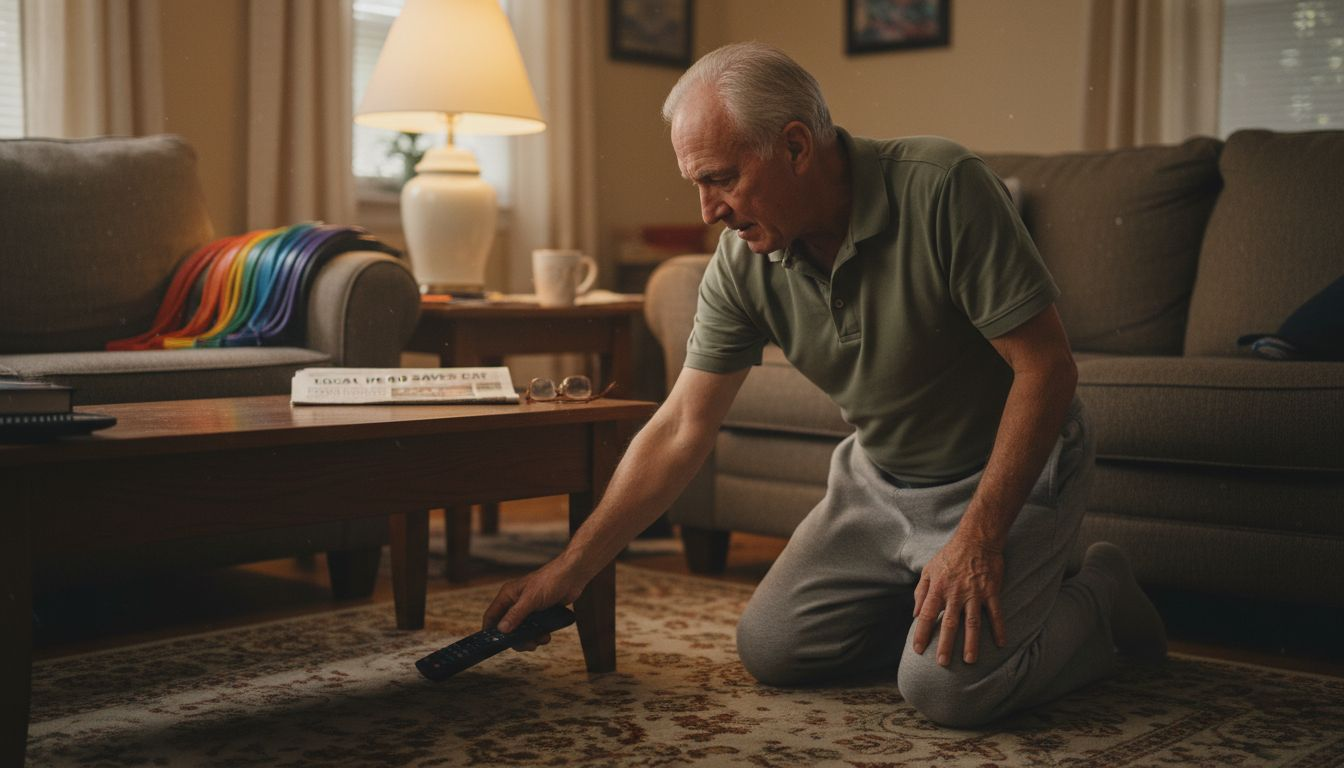
Your body moves in patterns. When you bend down to pick something up, you’re not isolating one muscle. You’re engaging your ankles, knees, hips, back, and core in a coordinated sequence. When you reach for a coffee mug on a high shelf, your shoulder, elbow, wrist, and core all work together. The problem is that after surgery or injury, these patterns often break down. Your body learns to compensate, to favor one side, to move in ways that feel safer but create new problems down the road. Building movement patterns for everyday confidence means retraining these coordinated sequences so your body works as an integrated whole again. It means walking without limping, climbing stairs without pain, and reaching without that nagging concern that something might give way.
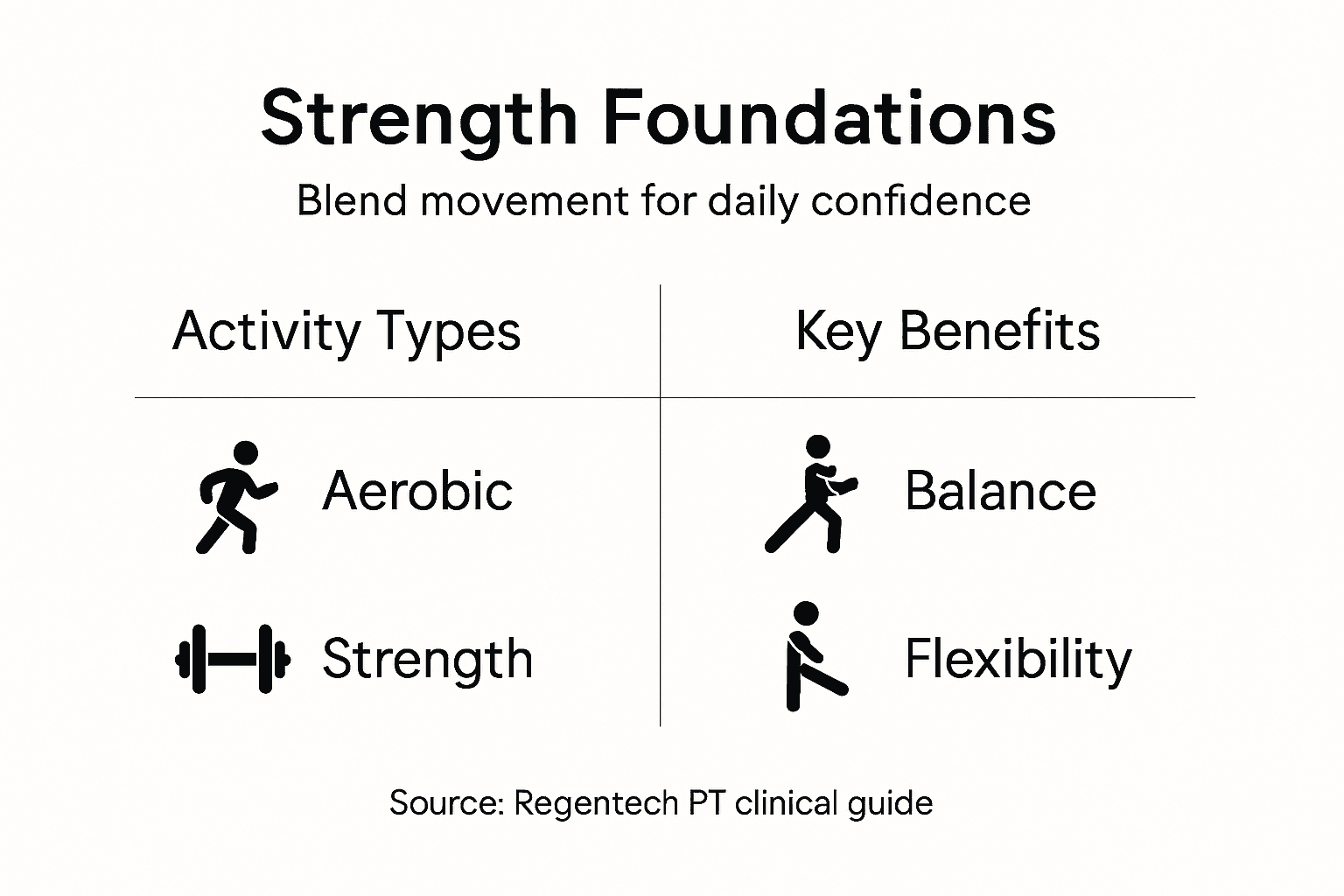
Movement combining aerobic, strengthening, balance, and flexibility activities builds the foundation for everyday confidence by enhancing your physical capacity and reducing injury risk. But the key is that these aren’t random exercises. They’re specific patterns designed around how you actually move in real life. A pattern might involve stepping forward while reaching across your body, mimicking what you do when you get out of bed or lean across a table. Another pattern might focus on controlled descent, which is essential for stairs, chairs, and getting down to play with kids. The most effective patterns are ones cultivated through mindful movement that build neuromuscular coordination and reduce habitual tension. When you practice these patterns with awareness, noticing how your body feels and responds, you develop true confidence because your nervous system knows exactly what to expect.
The patterns that work best for you depend on your body type, your lifestyle, and where you are in your recovery. Someone recovering from rotator cuff surgery needs different movement patterns than someone managing lower back pain. A person who spends their day at a desk needs different patterns than someone who works in construction. That’s why cookie-cutter exercise programs fail. Your movement patterns should match your actual life. If you garden on weekends, your patterns should prepare you for kneeling, reaching, and twisting. If you travel for work, your patterns should keep your neck and shoulders mobile so you can handle airport security lines and hotel beds without pain. The goal is to move in ways that your body recognizes, accepts, and trusts.
Building these patterns takes consistency, but the payoff is enormous. Within a few weeks of practicing coordinated movement patterns specific to your life, you notice changes. Stairs feel easier. Getting up from a chair requires less thought. You reach for things without hesitating. That’s not a coincidence. That’s your nervous system and muscles learning and adapting to movement that feels natural and sustainable.
Pro tip: Pick one movement pattern that corresponds to something you do daily, then practice it for two minutes every morning before you start your day. Over three weeks, you’ll notice this movement becomes noticeably smoother and more confident.
Innovative Physical Therapy Techniques Explained
Physical therapy has changed dramatically over the last decade. Gone are the days when recovery meant endless repetitions of the same basic exercises in a quiet room. Today’s approach integrates cutting-edge technology, regenerative medicine, and personalized strategies designed specifically for how your body heals. If you’re recovering from surgery or injury in Lewiston, you likely have more advanced options available than you realize. These innovations focus on one core goal: accelerate your healing while restoring the movement and confidence you had before injury.
One of the most significant advances is regenerative rehabilitation combining stem cell therapy and platelet-rich plasma with targeted physical therapy exercises. This approach doesn’t just treat symptoms. It works at the tissue level, promoting actual healing rather than just managing pain. Imagine your rotator cuff or knee cartilage actually rebuilding itself, supported by carefully designed movement patterns that guide the healing process. That’s what regenerative techniques do. Physical therapists now integrate these medical advances with traditional therapeutic exercises and modalities to create a comprehensive recovery strategy. You’re not choosing between one or the other. You’re getting both working together, which means faster results and more durable recovery.
Beyond regenerative medicine, contemporary physical therapy incorporates personalized rehabilitation plans, telehealth for consistent monitoring between appointments, wearable technology that tracks your progress, and mind-body techniques that address the psychological side of recovery. When you work with advanced techniques, your therapist isn’t guessing at what works for you. They’re using data from your movement patterns, your tissue response, and your specific goals to craft a plan that’s unique to your situation. A person recovering from ACL reconstruction has different needs than someone managing chronic shoulder pain from years of compensation patterns. The techniques adapt to you, not the other way around. This personalized approach means you spend your recovery time on what actually matters for your specific condition and your specific body.
What makes these techniques effective is that they’re grounded in solid science. Every modality used in modern physical therapy has research backing its use. When your therapist recommends a particular intervention, they’re not following a generic template. They’re applying evidence-based strategies that have proven effective for people in situations similar to yours. Combined with consistent movement practice and your active participation, these innovative techniques create the conditions for lasting recovery.
Pro tip: Ask your physical therapist which innovative techniques are most relevant to your specific condition and recovery phase during your first appointment. Understanding what tools are available helps you stay engaged in your recovery and ask better questions about your progress.
Adapting Movement to Body Type and Lifestyle
Your body is unique. Your metabolism works differently than your neighbor’s. Your muscle fibers respond to training in ways that are distinctly yours. Your daily schedule, your work demands, and the activities you love are all different. Yet most recovery programs treat everyone the same way. That’s the disconnect. Real strength that lasts comes from adapting movement to match your specific body type and lifestyle, not forcing your body to fit a generic program.
Understanding how different body types respond to training helps you select exercises and movement patterns that complement your physiological traits rather than working against them. Some people naturally build muscle quickly but struggle with flexibility. Others are naturally lean and need different loading strategies to build strength. Someone with a history of shoulder instability needs different movement patterns than someone recovering from knee cartilage damage. Your body type, your injury history, and your current physical condition all shape which movements will be most effective for you. This isn’t about fitting into categories or labels. It’s about recognizing that your body has specific characteristics that either make certain movements more efficient or require modifications to keep you safe.
Your lifestyle matters just as much as your body type. Physical activity guidelines recommend tailoring movement to personal health status, preferences, and lifestyle constraints for sustainable patterns that actually stick. If you have a desk job, your movement needs differ from someone who works in construction. If you’re a parent managing young children, your recovery time looks different than someone without kids. If you travel frequently, your exercise routine needs to travel with you. If you’re 45 years old with arthritis, your approach differs from that of a 35-year-old without joint issues. These aren’t excuses. They’re the foundation for building a recovery strategy you can actually maintain long-term.
The most effective recovery programs acknowledge these realities and adapt accordingly. Your physical therapist should be asking about your daily routine, your job demands, your hobbies, and what movement patterns matter most to you. They should understand your body’s natural strengths and limitations. Then they build a program around those factors. A movement that’s perfect on paper but incompatible with your life won’t get done. A movement that works beautifully with your body mechanics and your schedule becomes part of your routine. That’s the difference between programs that work for a few weeks and strength that actually lasts.
Pro tip: When developing your movement plan, identify the three activities that matter most to your life, then ask your therapist to specifically design movements that prepare your body for those activities. This connects your recovery directly to your real life and keeps you motivated.
Common Movement Mistakes and Prevention
Most people don’t realize they’re making movement mistakes until pain arrives. You sit at your desk for eight hours without moving, then wonder why your back screams. You reach for something with one arm while your core stays loose, creating stress in your shoulder. You rush through exercises without thinking about how your body actually feels, compensating in ways that create new problems. These aren’t character flaws. They’re common patterns that develop when we’re not paying attention to how we move. The good news is that recognizing these mistakes early prevents them from becoming chronic issues that derail your recovery.
One of the biggest mistakes is prolonged sitting and a lack of movement variability throughout the day, which increases both cardiovascular and musculoskeletal risks. If you’re recovering from surgery or injury, sitting for long stretches makes your muscles tighter, your blood flow sluggish, and your overall recovery slower. The solution isn’t joining a gym. It’s interrupting sedentary periods with short bouts of movement. Stand up every 30 minutes. Walk for two minutes. Stretch your hips. Change positions. These small actions prevent stiffness from setting in and keep your body ready to actually heal. Movement variability also matters. Doing the same movement every day creates imbalances. Your body needs multi-directional movement to maintain metabolic health and reduce injury risk. If you only reach forward, your back tightens. If you only walk straight, your hip stability weakens. Varied movement keeps your entire system balanced.
Another critical mistake involves poor posture and ergonomics during everyday activities. After injury, people often adopt protective postures that feel safer but actually reinforce dysfunction. You might hunch your shoulders after shoulder surgery, creating more tension. You might shift all your weight to one leg after a knee injury, overloading your hip and ankle. These compensation patterns feel normal after a few weeks, but they’re setting you up for new pain. Prevention requires conscious awareness and ergonomic adjustments. Your desk height, your chair support, and how you hold your phone all matter. When reaching or lifting, engage your core first. When sitting, maintain a neutral spine position. When standing, distribute weight evenly through both feet. These adjustments feel awkward initially because your body is used to the wrong way. But after two weeks of consistent correction, better posture becomes automatic.
The final major mistake is pushing too hard, too fast during recovery. Enthusiasm after seeing improvement is natural, but it’s also how people re-injure themselves. You feel good one day and do twice as much the next day, then inflammation returns, and a setback happens. Prevention means respecting progression. Increase movement volume by 10 percent at a time. Add intensity gradually. Listen to your body’s signals. Some soreness is normal. Sharp pain or swelling is not. The difference matters tremendously for long-term success.
To help identify and prevent common movement mistakes, review the following summary:
| Mistake | Impact on Recovery | Prevention Tip |
|---|---|---|
| Prolonged sitting | Increases stiffness and slows healing | Move every 30 minutes |
| Poor posture | Creates muscle imbalances and tension | Adjust ergonomics, engage core |
| Rushing progress | Causes re-injury and setbacks | Increase activity slowly, listen to pain signals |
Pro tip: Set phone reminders to stand and move for two minutes every hour during your workday, and notice how many different directions your body moves in each break instead of repeating the same motion. This single habit prevents most compensation patterns before they develop.
Build Real Strength That Moves You Forward
If you struggle to regain confidence in daily activities or worry about pain limiting your independence after surgery or injury, you are not alone. This article highlights the need for real-life, efficient strength focused on functional movement, not just gym performance. At RegenTech Physical Therapy, we understand that movement patterns must be tailored to your unique body type and lifestyle to prevent setbacks and build lasting strength.
Discover how our Innovative Treatments Archives – Regentech Physical Therapy use advanced regenerative therapies combined with personalized physical therapy to accelerate healing and restore the confidence you seek. Paired with targeted work from our Movement & Mobility Archives – Regentech Physical Therapy, you can re-train your body to move smoothly and without pain again.
Take control of your recovery today by visiting our site at https://regentechpt.com to learn about our unique three-phase approach Regenerate, Restore, Rise. Schedule your personalized consultation now and move better, not perfect. Your strength that lasts starts here.
Frequently Asked Questions
What is real-life efficient strength?
Real-life efficient strength refers to the physical capability to perform daily activities effectively, without pain or struggling, such as carrying groceries or playing with grandchildren.
How does efficient strength differ from traditional strength training?
Efficient strength training focuses on improving functional movement and confidence in daily activities, while traditional strength training often emphasizes maximizing weight lifted and muscle size for aesthetics.
What are some effective movement patterns for building everyday confidence?
Effective movement patterns include those that mimic daily activities, such as stepping forward while reaching across your body, or practicing controlled descent to make activities like climbing stairs easier and pain-free.
Why is personalized physical therapy important for recovery?
Personalized physical therapy is crucial because it takes into account your unique body type, injury history, and lifestyle, allowing for a tailored recovery strategy that promotes long-lasting strength and prevents re-injury.
Recommended


