

Most people with chronic pain or slow recovery struggle with treatments that offer only partial relief. Recent advances like Multi Wave Stimulation are changing that, delivering results where standard therapy falls short. This article explains what Multi Wave Stimulation is, how it works, the evidence supporting its effectiveness, how it compares to older therapies, and what to expect if you try it in Lewiston, ID.
Key Takeaways
| Point | Details |
|---|---|
| Accelerates healing | Multi-Wave Stimulation helps speed recovery in chronic pain and injury by activating nerves and muscles with advanced signals. |
| Strong patient results | Many users report significant pain reduction and improved function, often within just a few sessions. |
| Best with expert support | Professional supervision and combining MWS with other therapies lead to the best outcomes. |
| Locally available | Advanced Multi Wave Stimulation is now offered in Lewiston, ID, making access to cutting-edge healing much easier. |
What is Multi-Wave Stimulation?
Multi-wave stimulation refers to advanced neuromuscular electrical stimulation therapies using multi-waveform or direct-current signals to promote healing in chronic pain and recovery. Unlike old-school TENS units that deliver simple, repetitive pulses, MWS uses sophisticated waveforms that penetrate deeper into muscle and nerve tissue. This creates a more comprehensive therapeutic effect.
ARPwave and Neubie are two recognized brands you’ll find in clinics offering this technology. Both systems deliver electrical signals that activate muscles, stimulate nerves, and trigger your body’s natural healing responses. The difference lies in how these signals are structured and delivered compared to basic electrical stimulation.
What actually happens during treatment? The device sends carefully calibrated electrical signals through electrodes placed on your skin. These signals cause muscles to contract and relax in specific patterns, while simultaneously stimulating nerve pathways. This dual action creates conditions that support faster healing and pain reduction.
Common uses for Multi Wave Stimulation include:
- Chronic pain management
- Acute injury recovery
- Post-surgical rehabilitation
- Nerve regeneration for neuropathy
- Muscle activation after periods of inactivity
- Reducing inflammation and swelling
For more details on multi-waveform electrical stimulation, understanding the technology helps you make informed decisions about your care.
How Does Multi-Wave Stimulation Promote Healing?
The electrical signals from MWS trigger your body’s own healing systems through multiple pathways. This isn’t about masking symptoms. It’s about creating physiological changes that support genuine recovery.
Here’s how the process works:
- Nerve activation: Electrical signals stimulate nerve pathways, helping restore proper communication between your brain and injured tissues.
- Increased circulation: Muscle contractions pump blood through the treatment area, delivering oxygen and nutrients while removing waste products.
- Reduced inflammation: The stimulation helps modulate inflammatory responses, decreasing swelling and associated pain.
- Muscle activation: Targeted contractions rebuild strength and coordination, especially important after injury or surgery.
These effects combine to address pain while simultaneously supporting the healing process. MWS systems promote muscle growth, improved endurance, and decreased pain through these mechanisms.
“The difference we see with Multi Wave Stimulation is how quickly patients regain function. They’re not just feeling better, they’re actually healing faster and building strength that lasts.”
Pro Tip: Consistency matters more than intensity. Regular sessions paired with appropriate exercise create the best outcomes. Work with your therapist to develop a schedule that supports your specific recovery goals.
Exploring advanced physical therapy options helps you understand how MWS fits into a comprehensive treatment plan. The role of physical therapists becomes crucial in maximizing these benefits.
Evidence and Outcomes: What Does the Research Say?
Clinical data and patient outcomes provide concrete evidence for MWS effectiveness. Patients report 80-90% improvement with typical treatment courses of 3-6 sessions. These aren’t just subjective feelings of relief. Measurable improvements in pain levels, range of motion, and functional capacity support these reports.
Multi-Wave Stimulation outcomes:
| Metric | Typical Result | Timeline |
|---|---|---|
| Pain reduction | 70-90% improvement | 3-6 sessions |
| Functional capacity | 60-80% increase | 4-8 weeks |
| Patient satisfaction | 85-95% positive | After treatment course |
| Return to activity | 75-85% full return | 6-12 weeks |
Empirical data show skeletal muscle growth, improved endurance, and decreased pain with multi-waveform systems. Neubie systems specifically show noticeable results in a few sessions for neuropathy and chronic pain conditions.
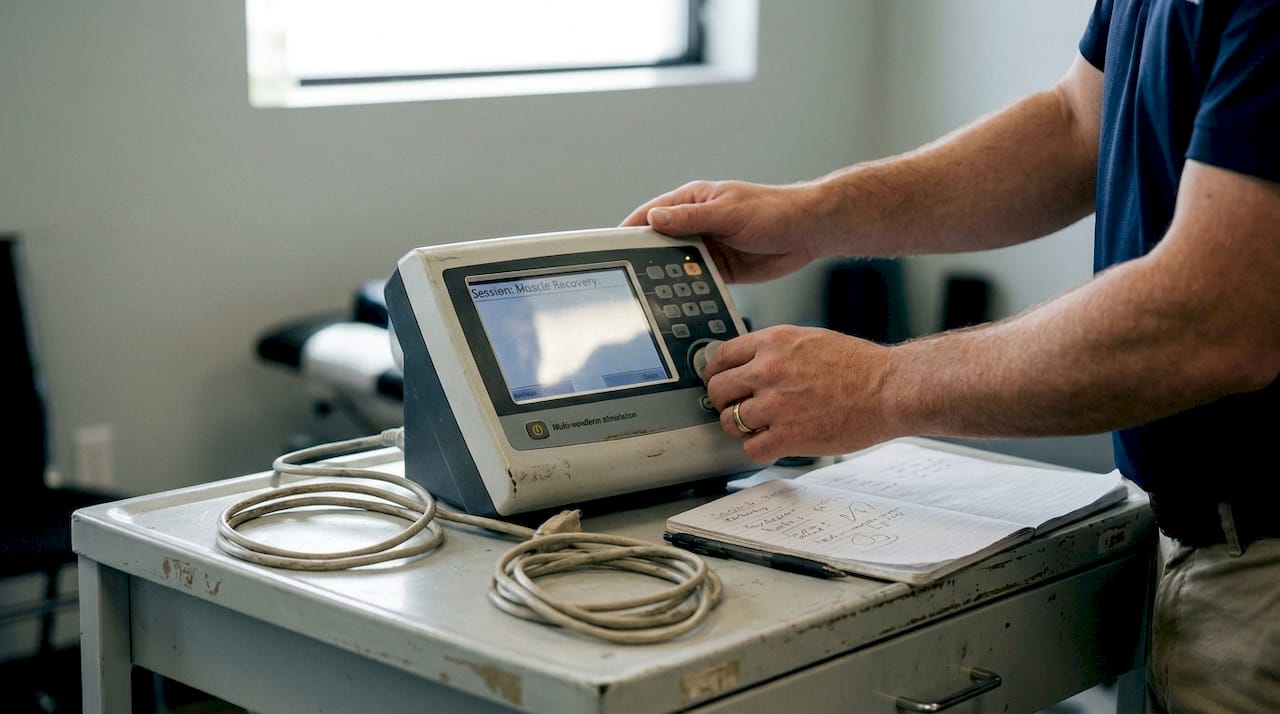
For Lewiston patients, local accessibility makes a significant difference. RegenTech offers MWS for pain and recovery, eliminating the need to travel to larger cities for advanced care. This means you can maintain consistent treatment schedules without the burden of long commutes.
Pro Tip: MWS is powerful but not magic. It works best as part of a comprehensive approach that includes appropriate exercise, lifestyle modifications, and other therapies when needed. Set realistic expectations with your provider about timelines and outcomes specific to your condition.
Understanding the benefits of regenerative therapy helps contextualize these results. Combining MWS with approaches like laser therapy for pain relief can enhance outcomes for certain conditions.
Multi-Wave Stimulation vs. Other Therapies
Comparing MWS with traditional modalities helps you understand when it offers advantages and when other approaches might be better suited to your needs.
Treatment comparison:
| Therapy | Primary Mechanism | Best For | Limitations |
|---|---|---|---|
| Multi-Wave Stimulation | Multi-waveform electrical signals | Muscle/nerve regeneration, chronic pain | Requires skilled delivery |
| TENS | Simple electrical pulses | Temporary pain relief | Surface-level, short-term |
| Standard E-stim | Basic muscle stimulation | Muscle re-education | Limited depth, basic effects |
| Shockwave | Acoustic pressure waves | Tendon issues, calcifications | Mixed evidence for some conditions |
| Laser therapy | Light energy | Tissue healing, inflammation | Different mechanism, complementary |
MWS offers more targeted stimulation with greater potential for muscle and nerve regeneration compared to simpler electrical therapies. The multi-waveform approach penetrates deeper and creates more comprehensive physiological responses than TENS or basic E-stim units.
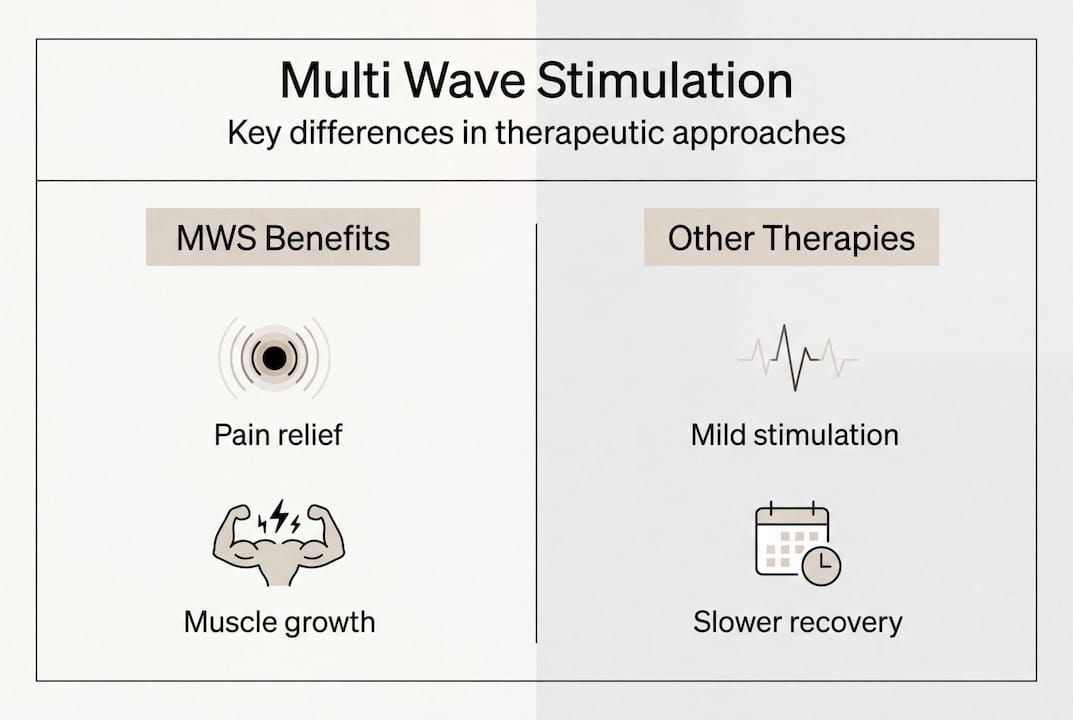
However, contrasting views exist about electrical stimulation therapies. Effectiveness depends heavily on proper delivery, appropriate patient selection, and realistic expectations. MWS works well for supportive healing through circulation and activation, but it’s not a standalone cure for all conditions.
When to consider each approach:
- MWS: Chronic pain, nerve issues, post-surgical recovery, muscle weakness
- TENS: Quick pain relief, home management between therapy sessions
- Shockwave: Stubborn tendon problems, plantar fasciitis, calcific deposits
- Laser therapy: Inflammation, wound healing, acute injuries
“The best results come from matching the right therapy to the specific condition and patient. Multi Wave Stimulation excels when we need to address both pain and functional recovery simultaneously.”
Integrating therapies often produces better results than relying on any single approach. Your provider should assess your specific situation and recommend combinations that address all aspects of your condition.
Comparing regenerative shoulder therapy options shows how different modalities work together. The comprehensive approach at advanced physical therapy clinics typically combines multiple techniques for optimal outcomes.
What to Expect: Getting Started With Multi-Wave Stimulation in Lewiston, ID
Starting MWS therapy involves finding qualified care, understanding what sessions entail, and knowing how to maximize your results.
RegenTech Physical Therapy offers Multi-Waveform Electrical Stimulation as regenerative therapy for chronic pain, recovery, and post-surgical rehab in Lewiston. This local availability means you can access advanced treatment without traveling to larger metropolitan areas.
What does a session feel like? Most people describe the sensation as a strong tingling or pulsing feeling. The intensity is adjustable, and while it can feel intense, it shouldn’t be painful. Sessions typically last 20-30 minutes, and you’ll likely notice muscle contractions during treatment. This is normal and indicates the therapy is working.
The safety profile for MWS is generally excellent. Most people experience no side effects beyond temporary muscle soreness similar to post-exercise fatigue. However, MWS may not be suitable for those with pacemakers, certain heart conditions, or during pregnancy. Always disclose your complete medical history to your provider.
Questions to ask your provider:
- How many sessions do you recommend for my specific condition?
- What results should I expect and in what timeframe?
- How will you adjust treatment based on my response?
- What exercises or activities should I do between sessions?
- Are there any restrictions on my activities during treatment?
Preparing for your first session:
- Wear comfortable, loose-fitting clothing
- Arrive hydrated and avoid caffeine immediately before
- Bring a list of current medications and supplements
- Be ready to describe your pain or limitation in detail
- Plan for 45-60 minutes for your first appointment
Maximizing benefit requires active participation. Follow your therapist’s recommendations for home exercises, maintain consistent session attendance, and communicate openly about what you’re experiencing. Recovery is a partnership between you and your care team.
Exploring options to find advanced physical therapy in your area ensures you’re working with qualified providers who understand proper MWS application.
Move Forward With Regenerative Healing in Lewiston
If Multi-Wave Stimulation feels like the right fit for your recovery needs, RegenTech’s team in Lewiston specializes in this advanced approach. Our expertise in MWS and regenerative rehabilitation means you’re working with providers who understand how to apply this technology for maximum benefit.
Choosing local, advanced treatment for chronic pain or injury recovery eliminates the hassle of traveling while ensuring you receive cutting-edge care. RegenTech combines Multi Wave Stimulation with other regenerative therapies, creating comprehensive treatment plans tailored to your specific condition and goals.
Ready to explore whether MWS is right for you? A personalized assessment helps determine the best approach for your situation. Our team evaluates your condition, discusses your goals, and creates a treatment plan that addresses both immediate pain relief and long-term functional recovery.
Learn more about our complete guide to regenerative physical therapy and discover the benefits of regenerative therapy for your specific needs. Visit our advanced physical therapy page to schedule your initial consultation and take the first step toward faster, more complete healing.
Frequently asked questions
How quickly will I see results with Multi-Wave Stimulation?
Many people experience noticeable improvement in pain or function within 3-6 sessions, with up to 80-90% overall improvement reported. Individual results vary based on condition severity and consistency of treatment.
Is Multi-Wave Stimulation safe for everyone?
MWS is generally safe but may not be suitable for those with pacemakers, certain heart conditions, or during pregnancy. RegenTech Physical Therapy conducts thorough screenings to ensure safety for each patient.
How is Multi-Wave Stimulation different from TENS or older therapies?
MWS uses advanced waveforms and targeted stimulation for deeper muscle and nerve effects, unlike simpler TENS units that provide only surface-level, temporary relief.
Can I combine Multi-Wave Stimulation with other treatments?
Yes, MWS often works best alongside physical therapy, exercise, and other regenerative approaches for optimal results. Combining therapies addresses multiple aspects of healing simultaneously.
What conditions respond best to Multi-Wave Stimulation?
Chronic pain, neuropathy, post-surgical recovery, muscle weakness, and slow-healing injuries typically respond well. Your provider can assess whether MWS is appropriate for your specific condition during an initial consultation.


