
Please note: RegenTech Physical Therapy is not currently accepting new pelvic floor therapy patients. We continue to offer orthopedic, sports, post-surgical, and regenerative physical therapy. Contact us with any questions.
Over one in four American adults experience pelvic pain at some point, yet many remain unaware of the advanced therapies now available. Pelvic floor physical therapy is reshaping how practitioners address chronic discomfort and functional challenges. With evidence showing that specialized techniques can dramatically improve muscle strength and relieve pain, this guide uncovers how targeted approaches empower American patients to reclaim comfort and daily confidence.
Defining Pelvic Floor Physical Therapy Approaches
Pelvic Floor Physical Therapy (PFPT) represents a specialized therapeutic intervention targeting complex muscular and functional challenges within the pelvic region. Evidence-based treatments for pelvic floor disorders focus on restoring muscle balance, alleviating pain, and improving overall functional capacity through targeted therapeutic strategies.
Therapists practicing PFPT utilize multiple sophisticated techniques designed to address individual patient needs. These approaches typically include manual therapy, which involves hands-on manipulation to release muscle tension, biofeedback training to help patients understand and control pelvic muscle activity, and specialized exercise protocols. Pelvic floor physical therapy techniques are particularly effective for addressing conditions like muscle hypertonicity, chronic pain, and postural dysfunction.
Key approaches in pelvic floor physical therapy encompass several critical intervention strategies:
- Manual soft tissue mobilization
- Neuromuscular re-education techniques
- Trigger point release
- Therapeutic exercise programming
- Postural retraining
- Breathing pattern rehabilitation
Understanding that pelvic floor dysfunction involves intricate muscular interactions, skilled practitioners develop comprehensive treatment plans tailored to each patient’s unique physiological presentation. The goal extends beyond symptom management to restoring complete functional movement and improving quality of life.
Pro Tip: Track your symptoms meticulously before your first pelvic floor physical therapy session to help your therapist develop the most precise and effective treatment strategy.
Common Causes and Types of Pelvic Pain
Pelvic pain represents a complex and multifaceted condition with numerous potential origins. Comprehensive diagnostic approaches reveal multiple systemic sources spanning reproductive, urinary, digestive, and musculoskeletal systems. This intricate nature makes accurate identification and targeted treatment essential for patient recovery.
The spectrum of pelvic pain encompasses several critical categories. Underlying medical conditions can manifest through varied pain presentations, including acute and chronic variations. Primary types of pelvic pain include:
- Reproductive System Disorders
- Endometriosis
- Ovarian cysts
- Uterine fibroids
- Pelvic inflammatory disease
- Urological Conditions
- Interstitial cystitis
- Bladder infections
- Kidney stones
- Prostate inflammation
- Gastrointestinal Complications
- Irritable bowel syndrome
- Chronic constipation
- Inflammatory bowel disease
- Diverticulitis
- Musculoskeletal Issues
- Pelvic floor muscle tension
- Nerve compression
- Sacroiliac joint dysfunction
- Chronic muscle strain
Understanding these diverse pain origins requires a comprehensive medical evaluation. Each category presents unique challenges, necessitating specialized diagnostic techniques and personalized treatment strategies. Patients experiencing persistent pelvic discomfort should seek professional medical assessment to determine the precise underlying cause.
Here’s a summary of how key pelvic pain sources differ across bodily systems:
| Pain Source System | Typical Symptoms | Common Underlying Issues |
|---|---|---|
| Reproductive | Cramping, irregular bleeding | Hormonal imbalance, infections |
| Urinary | Burning, urgency, pelvic pressure | Chronic bladder disorders, stones |
| Gastrointestinal | Bloating, constipation, pain | Inflammatory or motility problems |
| Musculoskeletal | Muscle tenderness, referred pain | Posture, overuse, nerve compression |
Pro Tip: Document your pain patterns, including frequency, intensity, and potential triggers, before consulting a healthcare professional to facilitate more accurate diagnostic processes.
How Pelvic Rehab Addresses Chronic Pain
Comprehensive pelvic rehabilitation strategies offer a holistic approach to managing chronic pelvic pain by addressing both physical and psychological dimensions of persistent discomfort. Unlike traditional pain management techniques, pelvic floor physical therapy targets the root causes of pain through specialized interventions that integrate muscular, neurological, and emotional healing processes.
The multifaceted approach of pelvic rehabilitation encompasses several critical treatment modalities designed to interrupt chronic pain cycles. Advanced therapeutic techniques demonstrate significant improvements in patient outcomes by focusing on comprehensive muscle rehabilitation and functional restoration. Key intervention strategies include:
- Manual Therapy Techniques
- Soft tissue manipulation
- Trigger point release
- Myofascial tension reduction
- Neuromuscular Retraining
- Muscle coordination exercises
- Proprioceptive awareness training
- Movement pattern correction
- Pain Modulation Strategies
- Relaxation techniques
- Mindfulness-based stress reduction
- Breathing pattern rehabilitation
- Psychological Support Components
- Stress management training
- Cognitive behavioral strategies
- Pain perception modification
Pelvic rehabilitation professionals recognize that chronic pain is a complex, interconnected experience involving physical, emotional, and neurological systems. By developing personalized treatment plans that address individual patient needs, therapists can help patients break free from persistent pain cycles and restore functional movement and quality of life.
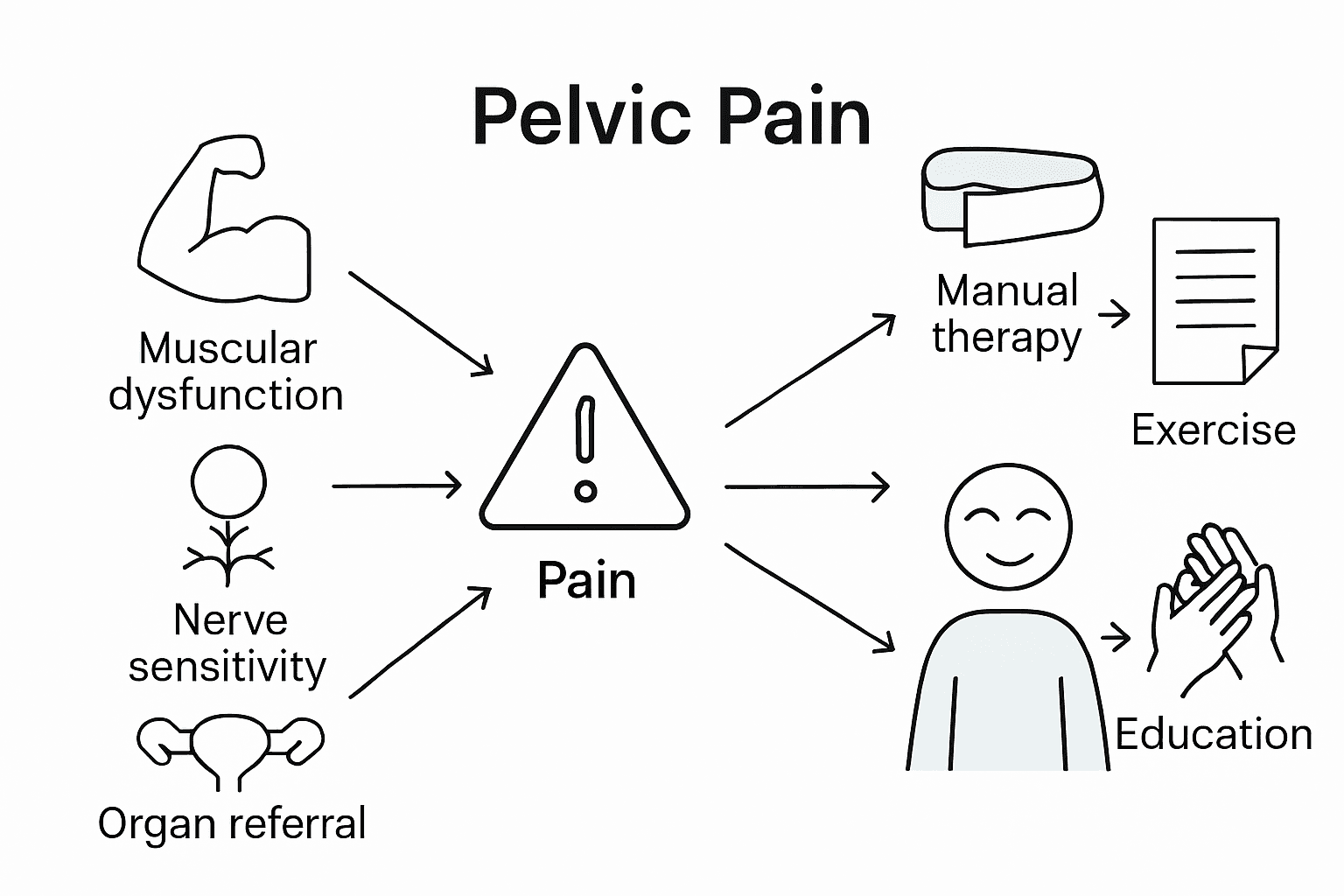
Pro Tip: Maintain a detailed pain journal documenting triggers, intensity, and associated factors to help your pelvic rehabilitation specialist design the most effective personalized treatment strategy.
What Happens During Pelvic Therapy Sessions
Comprehensive pelvic therapy evaluations are designed as thorough, patient-centered assessments that go far beyond traditional medical examinations. These specialized sessions involve intricate diagnostic processes and personalized treatment strategies tailored to address individual pelvic health challenges, ensuring a holistic approach to patient care.
Typical pelvic therapy sessions are structured around several key components. Patient-focused therapeutic interventions encompass a range of specialized techniques that address muscular, neurological, and functional aspects of pelvic health. The session progression typically includes:
- Initial Assessment Phase
- Comprehensive medical history review
- Detailed patient symptom exploration
- External physical posture evaluation
- Movement pattern analysis
- Physical Examination Components
- Internal muscle function assessment
- Pelvic floor muscle strength testing
- Range of motion evaluation
- Tissue mobility examination
- Treatment Intervention Strategies
- Manual therapy techniques
- Targeted muscle rehabilitation exercises
- Biofeedback training
- Neuromuscular re-education
- Patient Education Elements
- Anatomy and function explanations
- Self-management strategies
- Pain management techniques
- Lifestyle modification recommendations
Pelvic floor physical therapists utilize a combination of hands-on techniques, advanced technology, and personalized coaching to help patients understand and improve their pelvic health. By creating a safe, supportive environment, these professionals guide patients through comprehensive healing processes that address both physical symptoms and underlying physiological challenges.

Pro Tip: Wear comfortable, loose-fitting clothing to your first pelvic therapy session to ensure maximum comfort and ease during physical assessments and treatment techniques.
Regenerative Therapy Innovations in Women’s Health
Regenerative therapy approaches in women’s health represent a groundbreaking paradigm shift in addressing complex physiological challenges. These innovative techniques move beyond traditional treatment models by focusing on holistic healing mechanisms that stimulate the body’s natural regenerative capabilities, offering unprecedented opportunities for comprehensive health restoration.
The core principles of regenerative therapy in women’s health revolve around several transformative strategies that target root causes rather than merely managing symptoms. Advanced therapeutic techniques encompass multiple sophisticated intervention approaches:
- Cellular Regeneration Strategies
- Targeted tissue repair mechanisms
- Stem cell activation protocols
- Bioactive growth factor stimulation
- Hormonal Balance Interventions
- Precision metabolic modulation
- Inflammation reduction techniques
- Neurochemical rebalancing approaches
- Musculoskeletal Rehabilitation
- Pelvic floor muscle reconstruction
- Connective tissue restoration
- Neuromuscular coordination enhancement
- Integrative Treatment Frameworks
- Comprehensive diagnostic assessments
- Personalized therapeutic protocols
- Multidisciplinary healing strategies
Regenerative medicine in women’s health transcends traditional boundaries by recognizing the intricate interconnections between physiological systems. By employing cutting-edge technologies and advanced understanding of human biology, these innovative approaches create powerful pathways for healing, empowerment, and long-term wellness.
Pro Tip: Consult with specialized regenerative therapy professionals who understand the nuanced complexities of women’s physiological systems to develop truly personalized healing strategies.
Comparing Pelvic Rehab to Traditional Treatments
Non-invasive pelvic floor rehabilitation techniques represent a transformative approach to addressing pelvic health challenges, fundamentally diverging from conventional medical interventions. Unlike traditional treatments that often focus on symptom management through medication or surgical procedures, pelvic rehabilitation provides a comprehensive, patient-centered strategy targeting root causes and promoting long-term functional restoration.
The key distinctions between pelvic rehab and traditional treatments emerge across multiple critical dimensions. Holistic treatment methodologies demonstrate significant advantages in addressing complex pelvic health conditions through integrated therapeutic approaches:
- Treatment Philosophy
- Traditional: Symptom suppression
- Pelvic Rehab: Root cause resolution
- Intervention Strategies
- Traditional: Pharmaceutical management
- Pelvic Rehab: Active muscle rehabilitation
- Patient Engagement
- Traditional: Passive treatment recipient
- Pelvic Rehab: Active healing participant
- Long-Term Outcomes
- Traditional: Temporary relief
- Pelvic Rehab: Sustainable functional improvement
- Pain Management
- Traditional: Medication-dependent
- Pelvic Rehab: Neurological retraining
Pelvic rehabilitation professionals recognize that effective treatment extends beyond mechanical interventions. By integrating advanced therapeutic techniques with patient education and personalized care strategies, these specialists create comprehensive healing pathways that empower individuals to understand and actively participate in their recovery process.
Compare the main goals and outcomes of pelvic rehabilitation and traditional care:
| Focus Area | Pelvic Rehabilitation | Traditional Care |
|---|---|---|
| Goal | Restore function and movement | Reduce symptoms temporarily |
| Patient Role | Active involvement encouraged | Passive participation |
| Duration of Relief | Long-term improvement | Short-term or variable relief |
| Main Tools Used | Exercise, education, retraining | Medication, surgery, rest |
Pro Tip: Request a detailed comparison of treatment approaches from your healthcare provider to understand how pelvic rehabilitation might offer more comprehensive solutions for your specific health challenges.
Discover Advanced Pelvic Floor Physical Therapy Solutions for Lasting Relief
Pelvic pain can deeply affect your daily life through discomfort, muscle tension, and chronic pain cycles. This article highlights how targeted pelvic floor physical therapy approaches use manual therapy, neuromuscular retraining, and pain modulation strategies to restore function and reduce pain. If you are struggling with pelvic dysfunction or persistent pelvic pain, you deserve care that goes beyond temporary symptom relief to meaningful, long-term improvement.

At RegenTech Physical Therapy, we specialize in innovative regenerative techniques combined with personalized pelvic health services to help you break free from pain. Our three-phase approach—Regenerate, Restore, Rise—utilizes advanced therapies such as Class IV laser, shockwave therapy, and neuromuscular re-education. These treatments focus on healing the root causes of pelvic pain while improving muscle balance and functional movement. Explore more on our dedicated Pelvic Health Archives – Regentech Physical Therapy page or learn about our holistic Pain Relief & Recovery Archives – Regentech Physical Therapy to understand how we optimize outcomes for each patient.
Take the first step today by visiting RegenTech Physical Therapy to schedule your consultation with experts committed to delivering breakthrough care tailored to your unique needs.
Frequently Asked Questions
What is pelvic floor physical therapy?
Pelvic floor physical therapy (PFPT) is a specialized treatment that focuses on addressing muscular and functional challenges within the pelvic region, using evidence-based techniques to restore muscle balance, alleviate pain, and improve overall function.
How can pelvic floor physical therapy help with chronic pelvic pain?
PFPT addresses chronic pelvic pain by targeting the root causes through a multifaceted approach, including manual therapy, neuromuscular retraining, and psychological support, ultimately helping to interrupt pain cycles and restore function.
What should I expect during my first pelvic therapy session?
During your first session, expect a comprehensive assessment including a medical history review, symptom exploration, physical examinations, and personalized treatment strategies designed to address your specific pelvic health challenges.
How does pelvic rehabilitation differ from traditional treatments?
Pelvic rehabilitation focuses on understanding and resolving the root causes of pelvic pain through active rehabilitation and patient engagement, while traditional treatments often aim primarily at symptom management via medication or surgery.


