

Chronic shoulder pain can make every activity in Lewiston and the surrounding areas feel more challenging, especially for active adults who do not want to settle for temporary relief. Traditional treatments often focus on managing symptoms while ignoring real tissue repair, leaving many frustrated by recurring issues. This article explores the benefits and misconceptions surrounding regenerative therapy, highlighting how innovative approaches use the body’s natural healing ability to restore function and improve mobility for those seeking lasting solutions.
Regenerative Therapy Defined and Misconceptions
Regenerative therapy represents a cutting-edge medical approach that goes far beyond traditional treatment methods. Regenerative medicine aims to restore human cell and tissue function impacted by injury, disease, or aging, offering potential solutions where conventional therapies fall short.
Unlike traditional medical treatments that primarily manage symptoms, regenerative therapies seek to actually repair and restore damaged tissues. These innovative approaches leverage the body’s natural healing mechanisms through advanced techniques such as:
- Stem cell interventions
- Tissue engineering
- Cellular regeneration strategies
- Targeted healing protocols
However, the field is not without its challenges. Misconceptions about regenerative medicine are widespread, often fueled by exaggerated claims of miraculous cures. Scientific approaches emphasize evidence-based applications and cautious clinical implementation, rejecting the notion of regenerative therapy as a universal solution.
Patients must understand that regenerative therapy is a sophisticated medical strategy, not a magical quick fix. It requires careful assessment, realistic expectations, and personalized treatment plans tailored to individual physiological needs. Different stem cell types serve unique roles, and not all regenerative treatments produce identical outcomes.
Key Differences from Traditional Therapies:
- Targets root cause instead of symptoms
- Utilizes body’s natural healing mechanisms
- Focuses on long-term functional restoration
- Personalized treatment approach
Regenerative medicine represents a transformative approach that harnesses the body’s inherent healing potential, moving beyond symptom management to genuine tissue repair.
Pro tip: Always consult certified regenerative medicine specialists who can provide scientifically validated treatment options specific to your individual condition.
Types of Regenerative Shoulder Treatments
Regenerative shoulder treatments represent an innovative approach to addressing complex shoulder conditions, offering hope for patients struggling with chronic pain and limited mobility. Advanced cellular therapies target specific shoulder injuries with unprecedented precision and potential for healing.
The most prominent regenerative shoulder treatments include:
- Platelet-Rich Plasma (PRP) Therapy
- Concentrates healing platelets from patient’s own blood
- Promotes tissue repair and reduces inflammation
- Minimally invasive procedure
- Mesenchymal Stem Cell (MSC) Treatments
- Utilizes patient’s own stem cells
- Targets rotator cuff and tendon injuries
- Supports natural healing mechanisms
These advanced treatments are particularly effective for addressing specific shoulder conditions such as:
- Rotator cuff tendinopathy
- Adhesive capsulitis (frozen shoulder)
- Glenohumeral osteoarthritis
- Chronic shoulder pain and inflammation
While promising, these treatments are not universal solutions. Each patient requires a personalized approach, with careful assessment to determine the most appropriate regenerative strategy. The treatments offer significant advantages over traditional steroid injections, providing a safer and potentially more sustainable approach to shoulder healing.
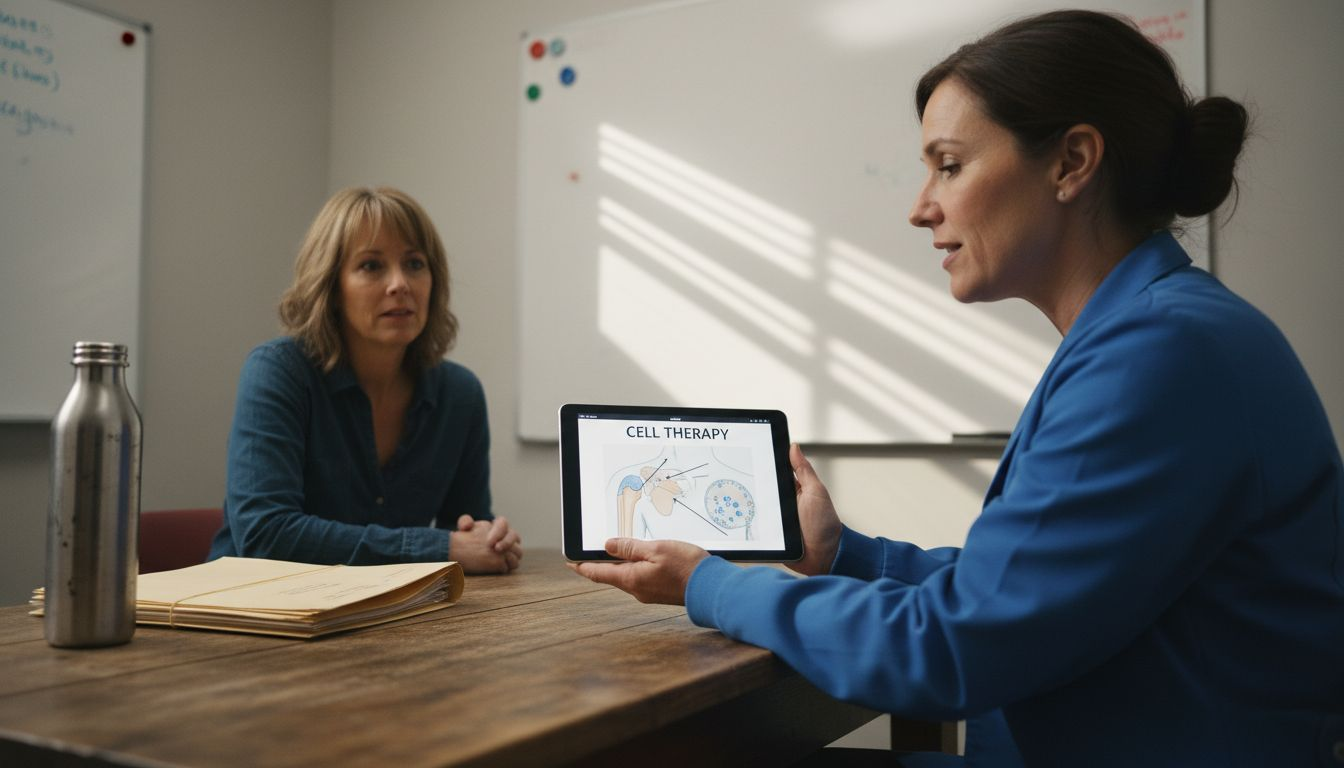
Here’s a summary contrasting Platelet-Rich Plasma (PRP) and Mesenchymal Stem Cell (MSC) shoulder treatments:
| Aspect | PRP Therapy | MSC Therapy |
|---|---|---|
| Source | Patient’s blood platelets | Patient’s own stem cells |
| Main Target | Soft tissue repair, inflammation | Tendon and rotator cuff injuries |
| Procedure Type | Minimally invasive, quick | Minimally invasive, specialized |
| Expected Benefit | Faster pain reduction | Enhanced structural tissue healing |
Regenerative shoulder treatments represent a groundbreaking approach that harnesses the body’s natural healing potential to address complex shoulder conditions.
Comparative Benefits:
- Lower risk compared to surgical interventions
- Faster recovery times
- Natural healing approach
- Minimal invasive procedures
Pro tip: Consult with a specialized regenerative medicine expert who can thoroughly evaluate your specific shoulder condition and recommend the most appropriate cellular therapy approach.
How Regenerative Therapy Accelerates Healing
Regenerative therapy represents a groundbreaking approach to healing that goes beyond traditional treatment methods. Advanced cellular therapies stimulate natural repair mechanisms by targeting the body’s fundamental healing processes at the cellular level.
The healing acceleration occurs through several critical biological mechanisms:
- Growth Factor Activation
- Recruits repair cells to injured areas
- Enhances blood vessel formation (angiogenesis)
- Improves extracellular matrix development
- Inflammatory Response Modulation
- Reduces harmful inflammation
- Supports controlled healing environment
- Accelerates tissue recovery
Key stages of regenerative healing include:
- Immediate inflammation reduction
- Fibroblast activation for collagen synthesis
- Targeted tissue remodeling
- Structural and functional restoration
Cell-based therapies provide unique advantages by promoting biological signaling pathways that encourage tissue regeneration. Stem cells can differentiate into multiple cell types, secreting critical cytokines and growth factors that stimulate native progenitor cells and support comprehensive healing.
Regenerative therapy transforms the healing process by harnessing the body’s innate capacity to repair and rebuild damaged tissues.
Biological Healing Mechanisms:
- Direct cellular replacement
- Immune response optimization
- Targeted tissue regeneration
- Accelerated recovery protocols
Pro tip: Discuss your specific healing goals with a regenerative medicine specialist to understand how personalized cellular therapies can optimize your recovery trajectory.
Three-Phase Approach: Regenerate, Restore, Rise
Regenerative therapy for shoulder pain follows a strategic, systematic approach designed to maximize healing potential. Cellular regeneration occurs through carefully orchestrated phases that transform damaged shoulder tissues from stiff and painful to strong and functional.
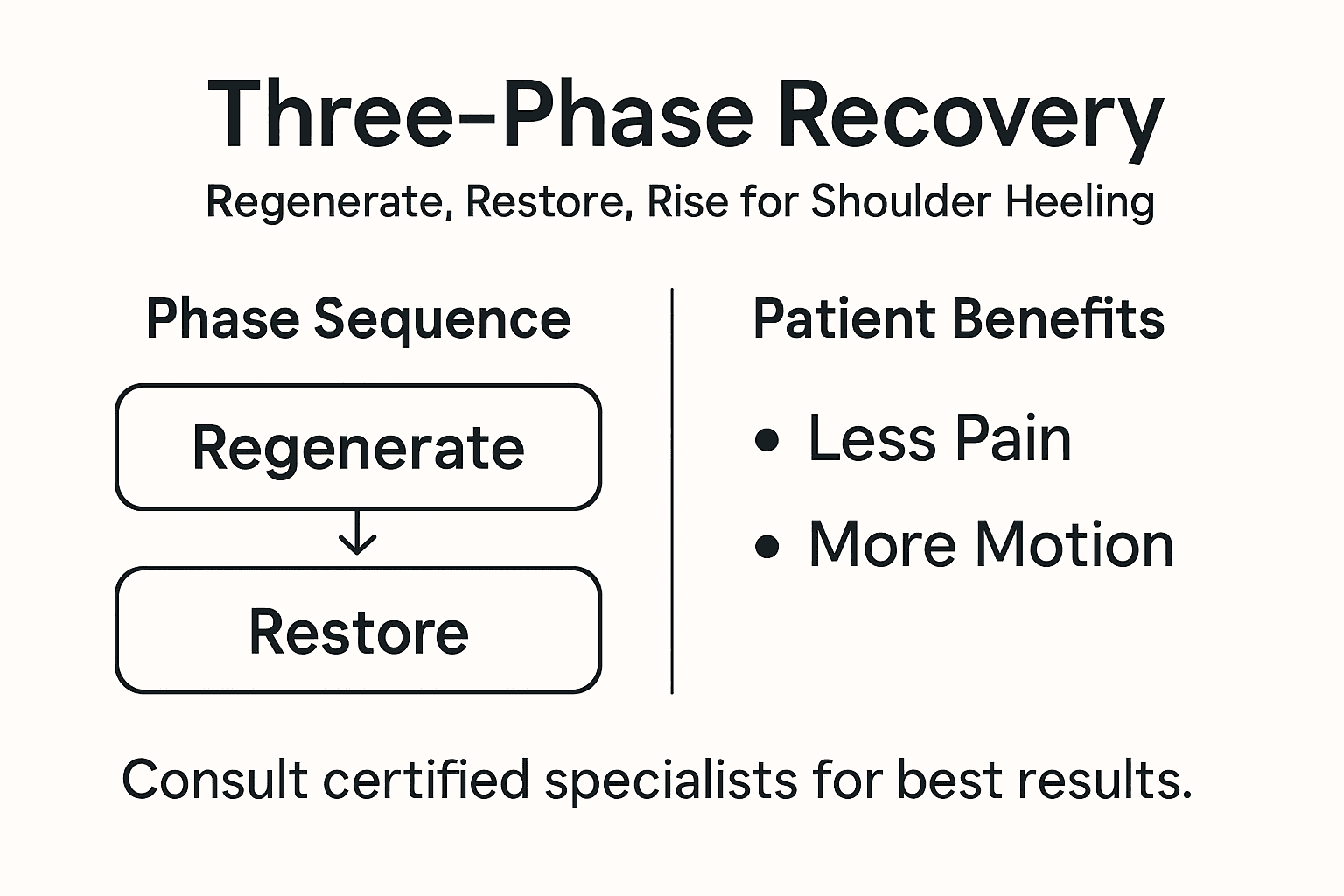
The three-phase approach breaks down the healing journey into distinct, purposeful stages:
Regenerate Phase:
- Activate cellular repair mechanisms
- Reduce initial inflammation
- Stimulate growth factor production
- Initiate tissue healing signals
Restore Phase:
- Rebuild damaged tissue structures
- Improve shoulder mobility
- Strengthen supporting muscle groups
- Enhance biomechanical function
Rise Phase:
- Optimize complete functional recovery
- Develop long-term shoulder resilience
- Implement preventative strategies
- Establish ongoing maintenance protocols
Each phase builds upon the previous one, creating a comprehensive approach that addresses shoulder healing from multiple biological angles. The methodology goes beyond symptom management, focusing instead on root-cause restoration and complete functional recovery.
Regenerative therapy transforms shoulder healing by systematically guiding the body’s natural repair processes through targeted, progressive interventions.
Key Outcomes of the Three-Phase Approach:
- Personalized healing trajectory
- Minimal invasive interventions
- Accelerated recovery timelines
- Sustainable long-term results
Pro tip: Work closely with your regenerative medicine specialist to understand how each phase of treatment specifically addresses your unique shoulder condition and recovery goals.
Risks, Recovery, and Avoidable Mistakes
Regenerative therapy offers promising solutions for shoulder pain, but patients must understand potential risks and navigate treatment carefully. Unproven regenerative medicine therapies pose significant safety concerns, including potential infection, immune reactions, and ineffective treatment outcomes.
Critical Risk Factors to Consider:
- Potential for immune system complications
- Risk of infection at treatment site
- Variability in treatment effectiveness
- Importance of clinician expertise
Common Avoidable Mistakes:
- Choosing unregulated treatment clinics
- Skipping comprehensive medical evaluation
- Overlooking individual health conditions
- Expecting instant miracle cures
Patients must approach regenerative therapy with realistic expectations and thorough research. Proper patient selection, standardized protocols, and working with certified specialists are essential to minimizing potential risks and maximizing treatment success.
Regenerative therapy success depends not just on the treatment itself, but on careful patient selection, expert implementation, and comprehensive medical oversight.
Recovery Considerations:
- Individual healing timelines vary
- Consistent follow-up is crucial
- Personalized rehabilitation matters
- Patience supports optimal outcomes
Pro tip: Always verify a clinic’s credentials, request detailed treatment protocols, and discuss potential risks and expected outcomes thoroughly with your healthcare provider before proceeding with regenerative therapy.
Below is a comparison of recovery factors for regenerative therapy versus traditional shoulder treatments:
| Factor | Regenerative Therapy | Traditional Treatment |
|---|---|---|
| Approach | Biological healing, restoration | Symptom management, temporary |
| Invasiveness | Low, outpatient procedures | Varies, often more invasive |
| Long-Term Results | Functional improvement | Possible decline over time |
| Recovery Monitoring | Personalized follow-up | Standard protocol, less tailored |
Comparing Regenerative Therapy to Conventional Methods
Shoulder pain treatment has evolved dramatically, with regenerative therapies offering a groundbreaking alternative to traditional approaches. Regenerative medicine provides minimally invasive alternatives that address the root cause of shoulder conditions instead of merely masking symptoms.
Conventional Treatment Limitations:
- Short-term symptom relief
- Potential tendon weakening
- Repeated steroid injections
- Temporary pain management
Regenerative Therapy Advantages:
- Promotes actual tissue repair
- Long-term functional improvement
- Addresses underlying pathology
- Minimally invasive approach
Traditional treatments like NSAIDs, corticosteroid injections, and surgery typically focus on temporary pain reduction. In contrast, regenerative therapies like platelet-rich plasma (PRP) and mesenchymal stem cells (MSCs) actively work to restore tissue integrity and support genuine healing.
Regenerative therapy represents a paradigm shift from managing symptoms to actually healing the underlying shoulder condition.
Comparative Treatment Outcomes:
- Pain Management
- Conventional: Temporary relief
- Regenerative: Lasting reduction
- Tissue Healing
- Conventional: Limited repair
- Regenerative: Active regeneration
- Long-Term Function
- Conventional: Potential continued degradation
- Regenerative: Improved structural integrity
Pro tip: Consult with a regenerative medicine specialist to understand how personalized cellular therapies can provide a more comprehensive approach to your specific shoulder condition.
Unlock Shoulder Strength with Advanced Regenerative Therapy
Struggling with shoulder pain and stiffness that limits your daily activities or workout goals is frustrating. The article highlights the journey from immobility to strength using regenerative therapy techniques such as cellular regeneration and targeted healing protocols. These treatments focus on reducing inflammation, rebuilding tissue, and restoring function rather than just masking symptoms.
At RegenTech Physical Therapy, we specialize in a personalized, three-phase approach called Regenerate, Restore, Rise. Our innovative care options include Class IV laser therapy, shockwave therapy, and other cutting-edge solutions designed to accelerate your healing and regain shoulder mobility safely. Discover how our expert team tailors treatments to your unique condition, helping you avoid common mistakes and achieve sustainable results.
Start moving better today by exploring our Regenerative Rehab Archives – Regentech Physical Therapy and learn more about our Innovative Treatments Archives – Regentech Physical Therapy.
Take the first step to transform your shoulder health with expert care that combines science and personalized healing at RegenTech Physical Therapy. Scheduling is easy online, and a stronger, pain-free shoulder is waiting.
Frequently Asked Questions
What is regenerative therapy for shoulder pain?
Regenerative therapy for shoulder pain is a medical approach that aims to restore damaged tissues and improve functionality by utilizing the body’s natural healing mechanisms. Techniques such as Platelet-Rich Plasma (PRP) therapy and Mesenchymal Stem Cell (MSC) treatments are commonly used.
How does regenerative therapy differ from traditional treatments for shoulder pain?
Unlike traditional treatments that primarily manage symptoms, regenerative therapy focuses on repairing and restoring tissues at the cellular level, addressing the root cause of pain and dysfunction rather than just alleviating symptoms.
What are the benefits of using Platelet-Rich Plasma (PRP) therapy for shoulder injuries?
PRP therapy concentrates healing platelets from the patient’s own blood to promote tissue repair and reduce inflammation. It is a minimally invasive procedure that can provide faster pain relief and improve recovery outcomes compared to steroid injections.
What should patients expect during the recovery process from regenerative shoulder treatments?
Recovery timelines vary per individual, but patients should expect personalized follow-up care, potential rehabilitation for mobility improvement, and a focus on long-term function restoration. Patience is crucial for optimal outcomes.
Recommended


