

Most people underestimate just how essential physical therapists are to modern American healthcare. Studies reveal that nearly 80 percent of adults will need physical therapy at some point, highlighting their vital impact on injury recovery, preventive care, and overall wellness. As their expertise expands from traditional rehabilitation to advanced regenerative medicine, understanding the evolving role of these professionals could change how you approach health and healing for yourself or your family.
Defining the Role of Physical Therapists
Physical therapists are highly skilled healthcare professionals who play a critical role in helping patients recover, restore function, and optimize their physical performance. These specialists do far more than simply guide rehabilitation after an injury or surgery. Preventive healthcare strategies represent a growing dimension of their professional expertise.
Traditionally, physical therapists have been viewed as recovery specialists focused on post-surgical or post-injury treatment. However, their modern professional scope has dramatically expanded. Comprehensive wellness exams now allow these professionals to assess critical physical parameters like posture, movement patterns, muscular strength, and overall flexibility. By identifying potential issues before they escalate, physical therapists serve as proactive health guardians who can prevent future complications.
Beyond individual patient care, physical therapists also contribute to broader healthcare systems and community resilience. During large-scale health emergencies or disaster scenarios, these professionals collaborate with multidisciplinary teams to restore mobility, implement rehabilitation strategies, and support comprehensive recovery efforts. Their expertise extends from individual patient treatment to systemic healthcare improvement, making them crucial agents of healing and functional restoration.
Key responsibilities of physical therapists include:
- Conducting detailed movement and functional assessments
- Developing personalized treatment plans
- Implementing hands-on therapeutic techniques
- Teaching patients injury prevention strategies
- Monitoring and adjusting rehabilitation progress
- Providing education on proper body mechanics and movement
Physical therapists are not just treatment providers but true healthcare partners dedicated to helping patients achieve their maximum physical potential through scientifically informed, personalized care.
Advanced Regenerative Techniques in Recovery
Regenerative physical therapy represents a cutting-edge approach to healing that goes beyond traditional rehabilitation methods. Regenerative medicine techniques are transforming how healthcare professionals approach tissue repair and functional restoration, offering patients more sophisticated and targeted recovery strategies.
One promising avenue in regenerative therapy involves innovative cellular approaches. Stem cell fat grafting has emerged as a groundbreaking technique that enables autotransplantation of adipose-derived stem cells to reconstruct and regenerate damaged tissues. This method provides remarkable potential for both aesthetic and reconstructive procedures by directly promoting tissue repair at the cellular level.
Additionally, emerging technologies like electromagnetic field therapies are expanding the boundaries of regenerative recovery. These advanced techniques combine sophisticated technologies such as electromagnetic fields, vacuum applications, and low-intensity electrostimulation to accelerate healing processes. By stimulating cellular repair mechanisms, these non-invasive approaches can significantly reduce recovery times and enhance overall healing outcomes.
Key advanced regenerative techniques include:
- Stem cell transplantation
- Platelet-rich plasma (PRP) therapies
- Electromagnetic field stimulation
- Ultrasound-guided regenerative interventions
- Specialized tissue engineering approaches
- Biomaterial-assisted healing technologies
These cutting-edge techniques represent a paradigm shift in physical therapy, moving from reactive treatment to proactive, scientifically advanced healing strategies that address recovery at its most fundamental biological level.
Personalized Care: The Three-Phase Approach
RegenTech Physical Therapy employs a strategic three-phase approach designed to deliver comprehensive, personalized recovery experiences. Early physical therapy intervention is crucial in preventing complications like muscle atrophy and maintaining critical physiological functions during the initial stages of rehabilitation.
Post-operative physical therapy strategies involve a collaborative approach among healthcare professionals to create tailored rehabilitation programs. This methodology ensures that each patient receives a unique treatment plan addressing their specific recovery needs, with continuous monitoring and adaptive interventions to optimize healing outcomes.
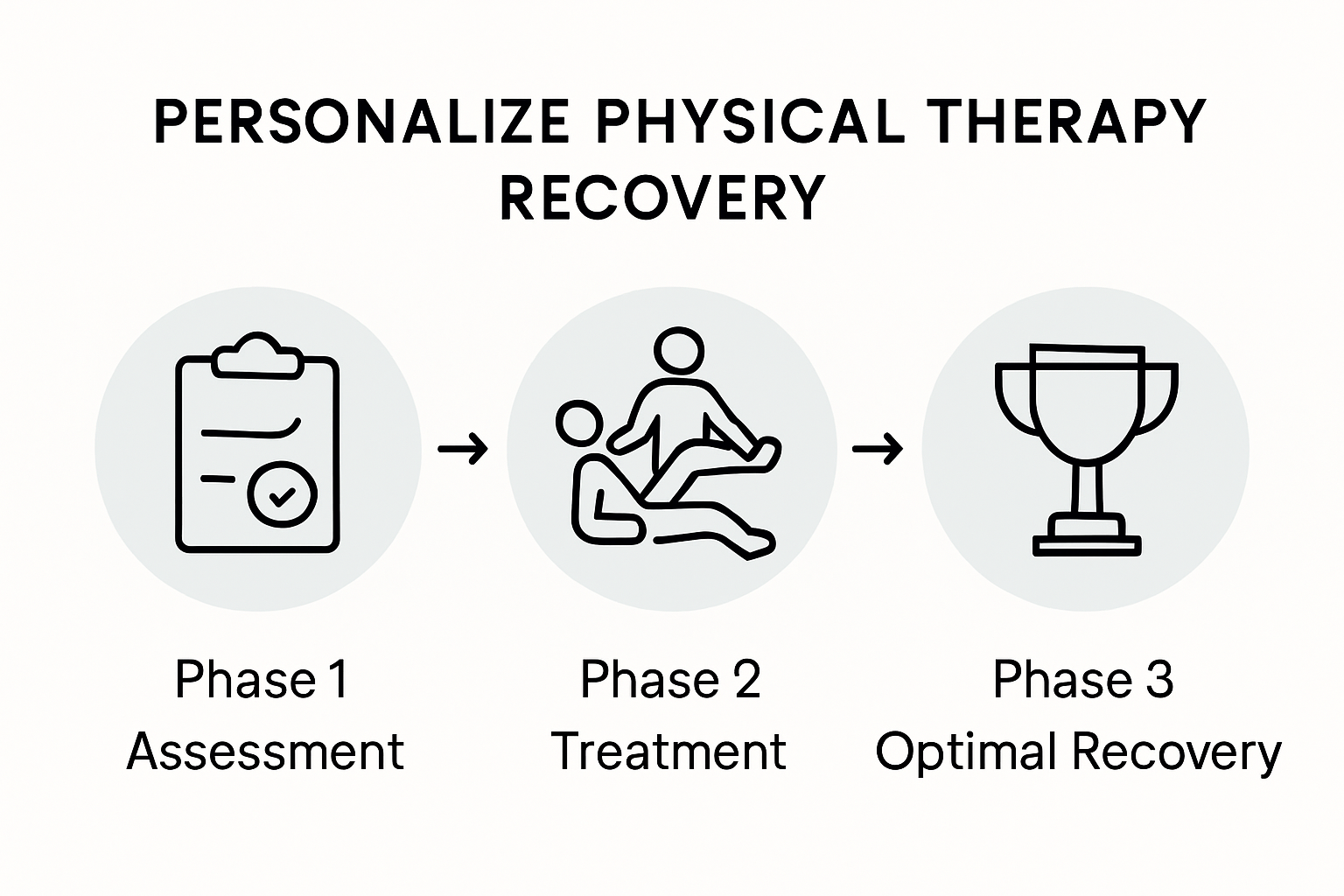
The three-phase approach breaks down the recovery journey into distinct, strategic stages:
Phase 1: Regenerate
- Initial assessment and diagnostic evaluation
- Inflammation management
- Pain reduction techniques
- Foundational mobility restoration
Phase 2: Restore
- Progressive strength training
- Range of motion enhancement
- Targeted functional movement rehabilitation
- Biomechanical correction strategies
Phase 3: Rise
- Performance optimization
- Advanced conditioning
- Return to peak physical function
- Injury prevention education
This systematic approach transforms traditional rehabilitation by addressing recovery as a dynamic, personalized process that adapts to each patient’s unique physiological requirements and healing potential.
Supporting Recovery from Injury and Surgery
Post-surgical physical therapy and rehabilitation represent critical components of comprehensive patient recovery. Physical therapists play a transformative role in helping patients navigate the complex journey from injury or surgical intervention back to optimal functional performance, employing specialized techniques tailored to individual healing needs.
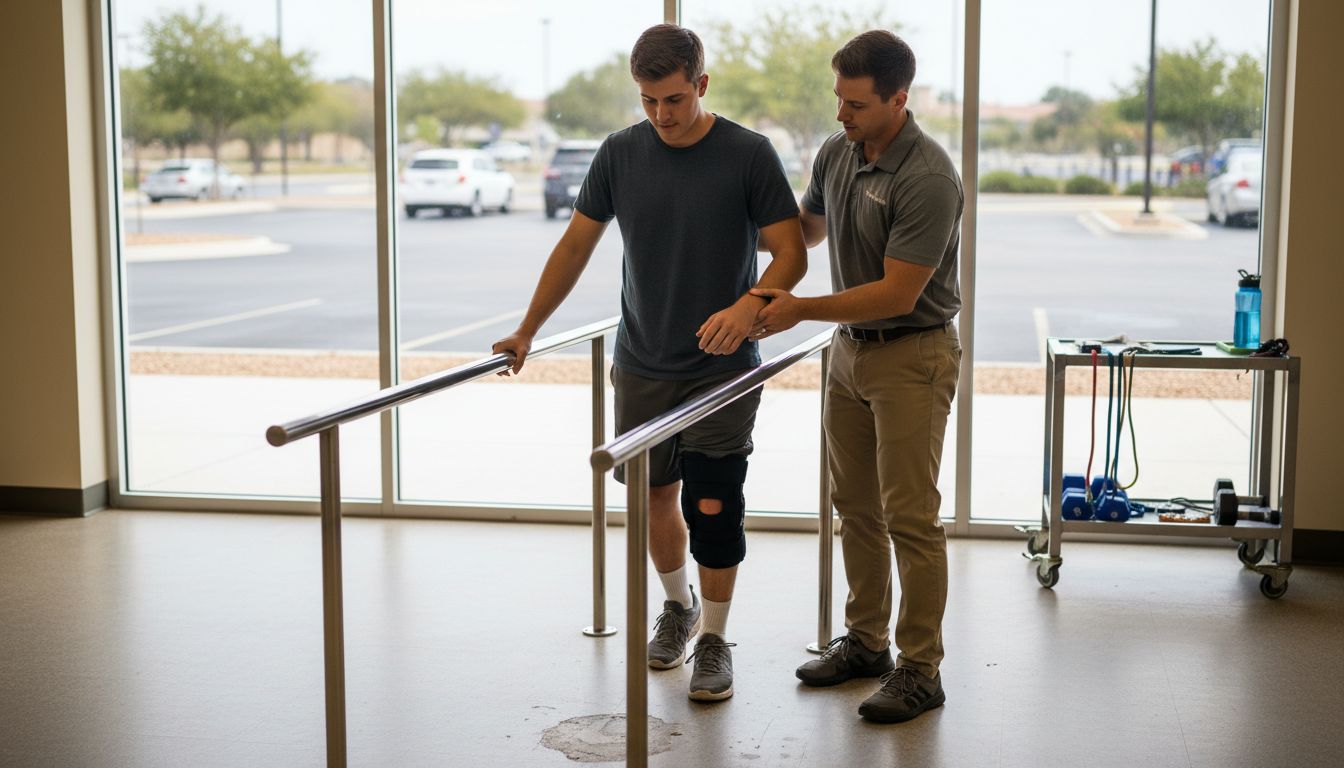
Physical therapists assist patients through meticulously designed recovery protocols that focus on early mobilization, personalized exercise regimens, and comprehensive patient education. Their strategic approach involves preventing potential complications, improving strength and range of motion, and teaching patients proper body mechanics to ensure sustainable long-term recovery.
The recovery support process typically encompasses several critical stages:
Immediate Post-Surgical Phase:
- Pain management techniques
- Gentle movement interventions
- Swelling reduction strategies
- Initial range of motion assessments
Intermediate Rehabilitation Stage:
- Progressive strength training
- Targeted movement pattern retraining
- Functional capacity building
- Biomechanical alignment correction
Advanced Recovery Phase:
- Performance optimization
- Sport-specific or activity-specific conditioning
- Injury prevention strategies
- Complete functional restoration
Through comprehensive, patient-centered approaches, physical therapists transform recovery from a passive experience into an active, empowering journey of healing and restoration.
Comparing Traditional and Innovative Therapies
Innovative physical therapy techniques are fundamentally transforming rehabilitation approaches by introducing advanced technologies and treatment modalities that significantly enhance recovery outcomes. While traditional therapies have long relied on manual interventions and standardized exercise protocols, emerging technologies are creating more personalized, precise, and efficient healing strategies.
Neuromuscular Electrical Stimulation (NMES) represents a breakthrough in rehabilitation technology, offering targeted muscle activation and strength recovery that traditional methods cannot easily replicate. These advanced interventions provide clinicians with unprecedented tools to address complex musculoskeletal challenges, moving beyond conventional passive treatment models.
Virtual reality in telerehabilitation introduces groundbreaking approaches that increase patient engagement and expand therapeutic possibilities. By creating immersive environments, these technologies enable patients to perform exercises remotely, track progress more accurately, and maintain consistent rehabilitation momentum.
Key Comparative Aspects:
Traditional Therapies:
- Manual hands-on techniques
- Standardized exercise protocols
- In-person treatment sessions
- Limited real-time progress tracking
Innovative Therapies:
- Technology-assisted interventions
- Personalized treatment algorithms
- Remote and hybrid session options
- Advanced progress monitoring
The future of physical therapy lies in seamlessly integrating traditional expertise with cutting-edge technological innovations, creating comprehensive healing experiences that adapt to individual patient needs.
Discover How Advanced Physical Therapy Can Transform Your Recovery Outcomes
The article highlights the vital role physical therapists play in guiding recovery and optimizing physical function through personalized and scientifically informed care. If you are facing challenges such as persistent pain, limited mobility, or the need for a more effective rehabilitation strategy after injury or surgery, understanding these key issues is the first step. With terms like regenerative medicine and innovative treatments becoming more prominent, there is a clear demand for solutions that go beyond traditional methods to accelerate healing and restore your best physical potential.
At RegenTech Physical Therapy, we specialize in merging these breakthroughs with compassionate, customized care. Our unique three-phase approach—Regenerate, Restore, Rise—integrates the latest regenerative techniques such as Class IV laser therapy, shockwave therapy, and electrical stimulation. You can explore our range of Innovative Treatments and harness the full power of Regenerative Medicine designed specifically to address joint, soft tissue, pelvic, and chronic pain conditions. We invite you to visit RegenTech Physical Therapy and see how our advanced therapies and expert team can help you regain control of your health and wellbeing.
Take the first step toward accelerated recovery and lasting relief today.
Experience the transformative care that understands your unique needs. Schedule your consultation now at https://regentechpt.com and start your journey to a pain-free, active life.
Frequently Asked Questions
What is the primary role of physical therapists in recovery?
Physical therapists help patients recover, restore function, and optimize physical performance through personalized treatment plans and comprehensive assessments.
How do physical therapists contribute to preventive healthcare strategies?
Physical therapists assess critical physical parameters such as posture and movement patterns to identify potential issues before they escalate, thus preventing future complications.
What are some advanced techniques used in regenerative physical therapy?
Advanced techniques include stem cell transplantation, platelet-rich plasma therapies, electromagnetic field stimulation, and specialized tissue engineering approaches, which promote tissue repair at the cellular level.
What does the three-phase approach in physical therapy entail?
The three-phase approach includes Regenerate (initial assessment and inflammation management), Restore (progressive strength training and movement rehabilitation), and Rise (performance optimization and injury prevention education).
Recommended


