

Up to 80 percent of athletes experience overuse injuries that interrupt training and competition. Facing a lengthy recovery can be frustrating, especially when standard treatments fall short. Shockwave therapy offers a promising option for speeding up healing and reducing stubborn pain. This straightforward guide walks you through the key steps athletes need to follow to decide if shockwave therapy is right, prepare for treatment, and get the best results from recovery.
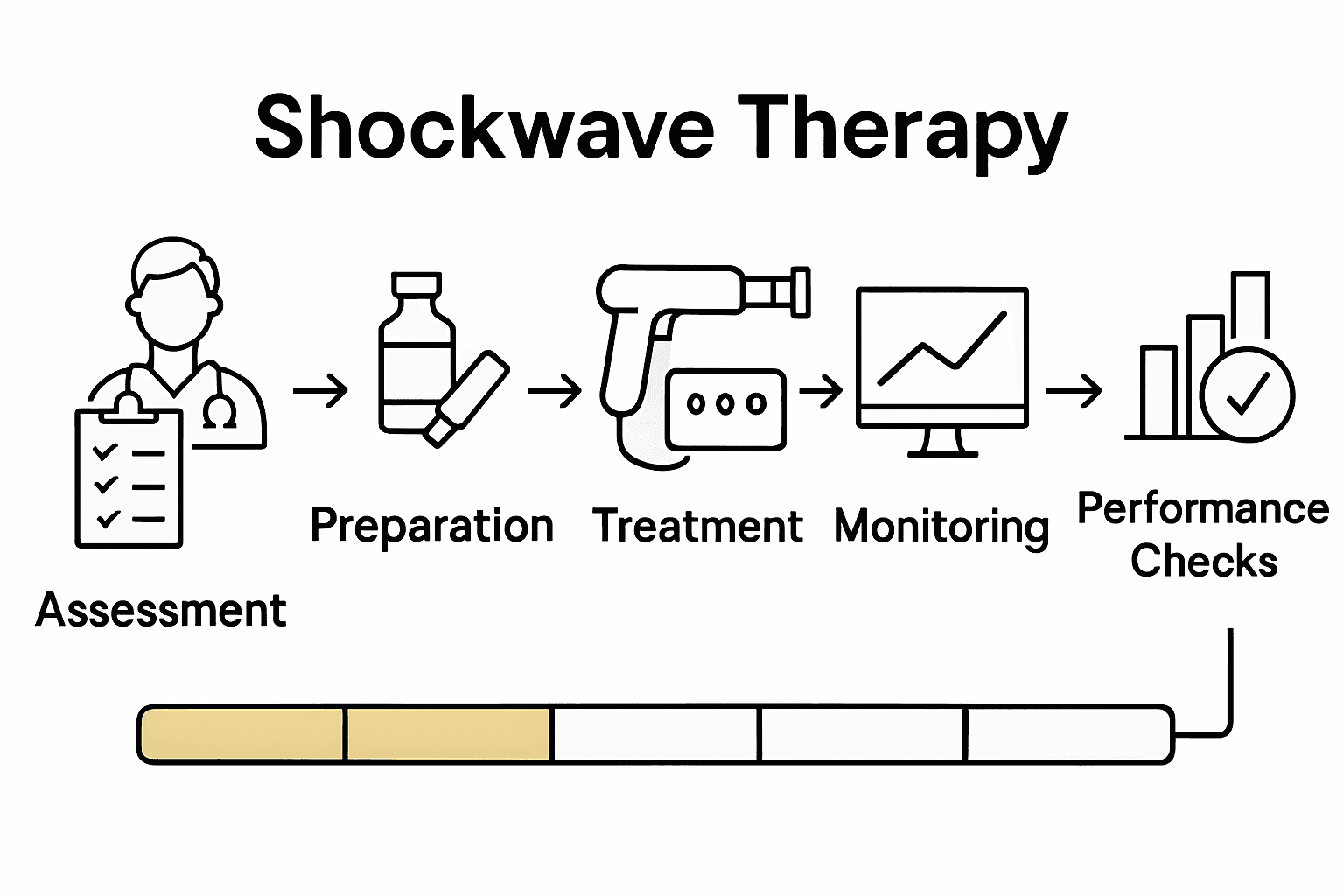
Step 1: Assess suitability for shockwave therapy
Determining whether shockwave therapy is right for you requires a careful evaluation of your specific injury and overall health profile. This critical first step helps ensure you receive the most appropriate treatment for your athletic recovery needs.
According to childrenshospital.org, a physician assessment is essential to evaluate your suitability for shockwave therapy. Athletes should expect a comprehensive examination that considers factors like injury severity, chronic pain location, and healing potential. Key areas typically assessed include:
- Specific sports injury type (tendinopathy, muscle strain)
- Duration and intensity of pain
- Previous treatment responses
- Overall musculoskeletal health
PubMed research suggests shockwave therapy can be particularly effective for conditions like plantar fasciitis, lateral epicondylitis, and proximal hamstring tendinopathy. However, not every athlete will be an ideal candidate. Your healthcare provider will analyze your unique situation to determine whether this treatment can effectively support your recovery goals.
A thorough initial consultation typically involves physical examination, imaging review, and discussion of your athletic history. Be prepared to provide detailed information about your injury, training patterns, and previous treatment experiences to help your medical professional make the most accurate recommendation.
Step 2: Prepare for optimal shockwave treatment
Preparing for shockwave therapy involves understanding the procedure and setting realistic expectations for your treatment. This step is crucial in ensuring you approach the therapy with confidence and maximize your potential for successful recovery.
According to wexnermedical.osu.edu, the preparation process begins with a thorough evaluation by a primary care sports medicine provider. During this consultation, your healthcare professional will confirm your diagnosis and discuss the specific details of the shockwave treatment. They will explain potential benefits and possible side effects, giving you a comprehensive understanding of what to expect.
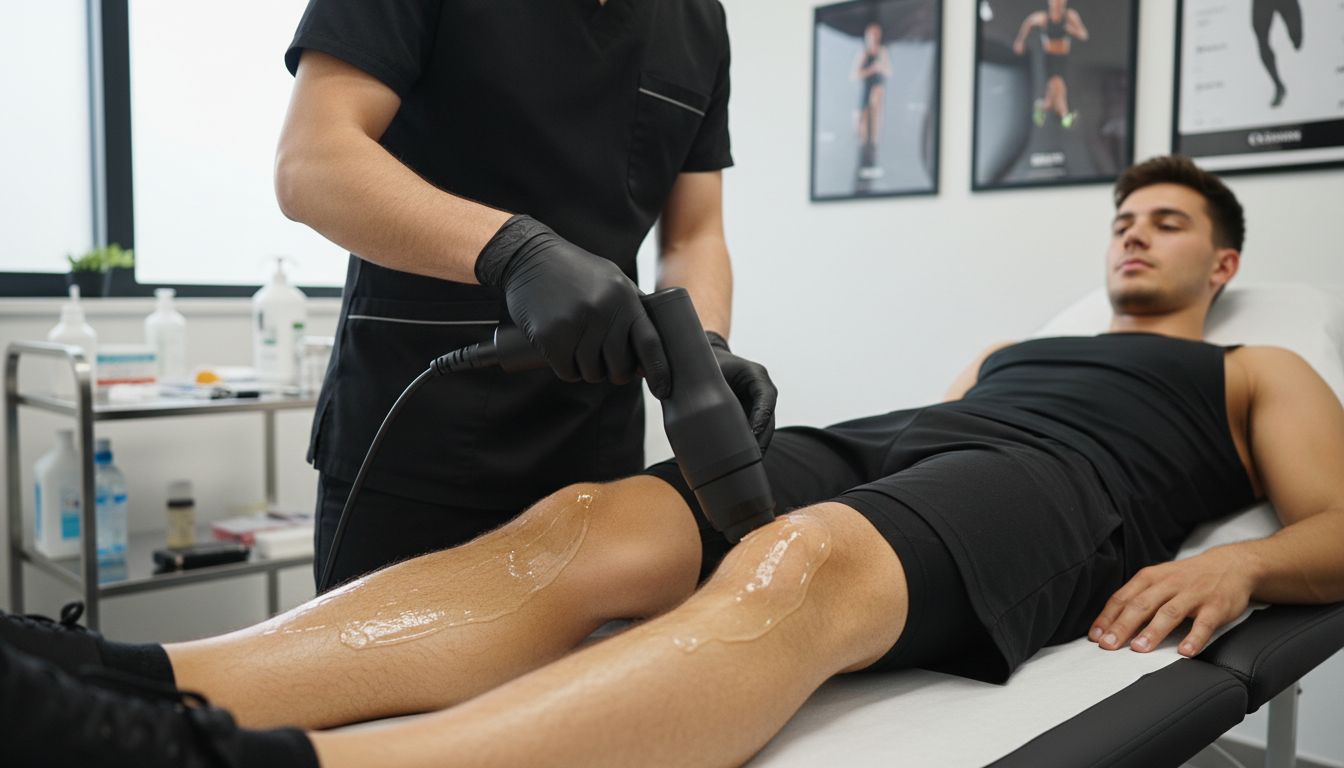
Childrenshospital.org recommends wearing comfortable clothing to your treatment session. A topical gel might be applied to the treatment area to enhance comfort during the procedure. Most patients experience only mild discomfort during the treatment, which typically involves a device sending targeted shockwaves into injured tissues.
To optimize your treatment, come prepared with a complete medical history, details about your specific injury, and a list of any questions or concerns. Openly communicating with your healthcare provider will help ensure the most effective shockwave therapy experience. For athletes seeking focused shockwave therapy as part of their recovery strategy, being proactive and informed is key to achieving the best possible outcomes.
Step 3: Undergo targeted shockwave therapy sessions
Undergoing shockwave therapy represents a critical phase in your athletic recovery journey. This targeted treatment approach aims to stimulate healing and accelerate your return to peak performance.
According to childrenshospital.org, a typical shockwave therapy session lasts between 15 to 20 minutes. Most athletes undergo three to five treatments spread across several weeks. During the procedure, a specialized device will deliver precise sound waves directly to your injured tissue, triggering a natural healing response.
Wexnermedical.osu.edu explains that the treatment is non invasive, with sound waves transmitted through a probe to create targeted energy stimulation. The minimal downtime associated with this therapy means you can typically continue most of your regular activities with little interruption. For athletes seeking comprehensive rehabilitation, our post surgical physical therapy rehabilitation can complement your shockwave treatment and support a more holistic recovery process.
During each session, remain relaxed and communicate openly with your healthcare provider about any sensations or discomfort. While most patients experience only mild sensations, everyone’s response can vary. Your provider will adjust the treatment intensity to ensure your comfort and maximize therapeutic effectiveness.
Step 4: Monitor progress and adjust activities
Tracking your recovery progress is crucial to ensuring the effectiveness of shockwave therapy and preventing potential setbacks. This stage involves carefully observing your body’s response and making strategic adjustments to your training and rehabilitation approach.
PubMed research highlights the importance of monitoring muscle properties during recovery. Athletes can track improvements in muscle elasticity and tone as key indicators of healing. This involves working closely with your healthcare provider to assess changes in pain levels, range of motion, and overall functional capacity.
Research from PubMed suggests combining shockwave treatment with a graded activity program can significantly accelerate recovery. This means gradually reintroducing training activities under professional guidance. Our return to sport program can help athletes develop a personalized approach to rebuilding strength and preventing future injuries.
Key monitoring strategies include maintaining a detailed recovery journal, performing regular self assessments, and scheduling consistent check ins with your healthcare provider. Pay attention to both physical symptoms and your body’s overall performance signals. Remember that recovery is not linear and small setbacks are normal parts of the healing process.
Step 5: Verify recovery with performance checks
Verifying your recovery through systematic performance evaluations is the final critical step in ensuring complete rehabilitation after shockwave therapy. This process transforms your healing journey from passive treatment to active performance restoration.
PubMed research reveals specific metrics for tracking recovery in athletes. For instance, studies on patellar tendinopathy patients demonstrate significant improvements in knee joint peak torques and extensor endurance after 16 weeks of treatment. These objective measurements provide concrete evidence of your physical progress beyond subjective pain assessments.
Additional research from PubMed highlights the importance of targeted performance checks for athletes recovering from bone stress injuries. Typically involving an average of five treatment sessions, these evaluations include specialized running tests to determine safe return to training. Our comprehensive return to sport program offers detailed performance assessments that help athletes confidently transition back to full activity.
Key performance verification techniques include strength testing, range of motion assessments, sport specific movement screenings, and gradual load tolerance evaluations. Work closely with your healthcare provider to design personalized performance checks that match your specific athletic goals and recovery trajectory. Remember that patience and systematic progression are your most important allies in achieving complete rehabilitation.
Accelerate Your Athletic Recovery with Expert Shockwave Therapy
If you are struggling with persistent sports injuries and want to speed up your healing process, shockwave therapy might be the solution you need. This advanced treatment helps reduce pain and restore function by targeting damaged tissues with focused energy. At RegenTech Physical Therapy, we understand the challenges athletes face during recovery. Whether it is tendinopathy, muscle strains, or chronic pain, our personalized, innovative care is designed to guide you through every step—from assessment to performance verification.
Don’t wait to reclaim your strength and mobility. Explore our Archives – Regentech Physical Therapy for valuable insights on shockwave therapy and related treatments. Then visit RegenTech Physical Therapy to learn how our three-phase approach Regenerate Restore Rise can help you return to peak performance safely. Take the first step now by scheduling a consultation and experience a faster, smarter path to recovery.
Frequently Asked Questions
What is shockwave therapy and how does it benefit athletes?
Shockwave therapy is a non-invasive treatment that uses high-energy sound waves to promote healing in injured tissues. It can benefit athletes by accelerating recovery from conditions like tendinopathy and muscle strains, helping you return to peak performance faster.
How do I know if I’m a suitable candidate for shockwave therapy?
To determine if you’re a suitable candidate for shockwave therapy, schedule a comprehensive evaluation with a healthcare provider. They will assess your injury type, pain duration, and overall musculoskeletal health to ensure this treatment aligns with your recovery goals.
What should I expect during a shockwave therapy session?
During a shockwave therapy session, you can expect a treatment that lasts about 15 to 20 minutes. A specialized device will deliver targeted sound waves to your injured area, typically causing mild discomfort but allowing you to continue most regular activities with minimal downtime.
How can I track my recovery progress after shockwave therapy?
Track your recovery progress by maintaining a detailed journal of your symptoms, pain levels, and functional improvements. Aim to check in with your healthcare provider regularly to assess changes and tailor your rehabilitation activities accordingly.
What performance checks should I undergo after completing shockwave therapy?
After shockwave therapy, you should undertake performance evaluations such as strength testing and range of motion assessments. This systematic approach can help confirm your readiness to safely return to sport and achieve your athletic goals without setbacks.
How many shockwave therapy sessions will I need?
Most athletes typically undergo three to five shockwave therapy sessions over several weeks. Work with your healthcare provider to schedule these sessions based on your specific injury and response to treatment for optimal recovery outcomes.


