

Every athlete in Lewiston faces the tough reality of returning from injury while aiming for peak performance without risking chronic pain. Sports injuries not only disrupt training but also threaten long-term mobility and game readiness. If you want faster recovery and safer return to competition, exploring advanced physical therapy techniques and cutting-edge regenerative approaches can make a real difference. This guide breaks down what sets sports physical therapy apart and how it supports your journey back to the field stronger and healthier.
What Is Sports Physical Therapy?
Sports physical therapy is a specialized field dedicated to helping athletes recover from injuries and optimize their performance. Unlike general physical therapy, sports physical therapy focuses specifically on the unique demands athletes face—whether you’re training for a Lewiston high school championship or recovering from a season-ending injury.
At its core, sports physical therapy involves comprehensive rehabilitation strategies tailored to get you back to your sport safely and effectively. Physical therapists in this field are movement specialists who understand how your body functions during competition and training.
Here’s what makes sports physical therapy different from standard rehabilitation:
- Sport-specific training designed around your particular athletic demands
- Performance optimization that goes beyond pain relief to enhance strength and mobility
- Injury prevention strategies that help you stay healthy long-term
- Rapid return to play using evidence-based protocols rather than generic timelines
Sports physical therapy addresses musculoskeletal conditions through a combination of manual therapy, targeted exercise prescription, and movement education. Your therapist doesn’t just treat your injured shoulder or ankle—they evaluate how your entire body moves during your sport.
The process starts with a detailed evaluation where your therapist assesses your injury, movement patterns, and athletic goals. They develop a collaborative recovery plan that considers not just healing the injury, but rebuilding strength, restoring flexibility, and preventing re-injury.
Your sports physical therapist works as part of your support team. They communicate with your coaches, athletic trainers, and other healthcare providers to ensure everyone’s aligned on your recovery timeline and goals.
One key distinction: physical therapists specializing in sports recovery focus on returning you to full activity safely, not just reducing pain. Many athletes in Lewiston find that working with a sports physical therapist means the difference between limping back to the game and genuinely performing at their pre-injury level.
Sports physical therapy combines manual therapy, exercise prescription, and evidence-based protocols to restore function and prevent future injuries—getting you back to competition stronger than before.
Pro tip: Schedule your initial evaluation as soon as possible after your injury. Early intervention with a sports physical therapist often reduces recovery time by weeks and significantly decreases the risk of chronic pain or re-injury down the road.
Regenerative Techniques in Athlete Care
Regeneration techniques represent the cutting edge of sports physical therapy. These advanced methods use your body’s own healing capacity to repair damaged tissues faster and more completely than traditional rehabilitation alone.
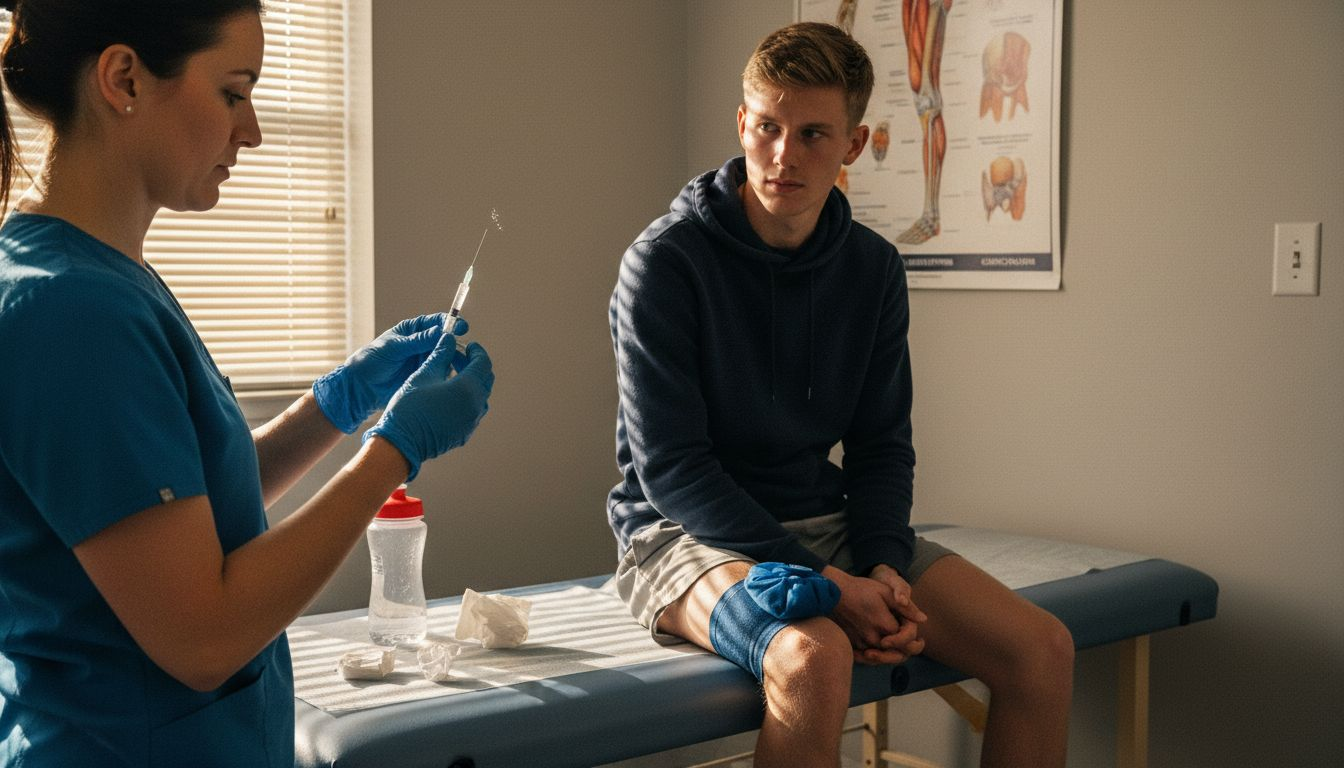
Unlike standard physical therapy that focuses on pain management, regenerative approaches actively stimulate tissue repair at the cellular level. Regenerative sports medicine applies innovative techniques like stem cells, platelet-rich plasma (PRP), and bioengineered biomaterials to promote the healing of musculoskeletal injuries that sideline athletes.
Here are the main regenerative techniques used in modern sports physical therapy:
- Platelet-Rich Plasma (PRP) draws from your own blood to concentrate healing factors that reduce inflammation
- Stem Cell Therapy uses cells capable of developing into specialized tissues to repair ligaments, tendons, and cartilage
- Growth Factor Treatments stimulate your body’s natural repair mechanisms at the injury site
- Bioengineered Biomaterials provide structural support while your tissues regenerate
These techniques work by triggering your body’s innate healing processes rather than masking pain. A Lewiston athlete recovering from a torn ACL or chronic tendon injury experiences accelerated healing through regenerative approaches.
The beauty of regenerative techniques lies in their minimally invasive nature. Most procedures require only a small injection or localized application, meaning less downtime and faster return to training.
Regenerative medicine in sports care accelerates recovery from musculoskeletal injuries by stimulating your body’s natural healing processes. These therapies improve function and reduce pain without major surgery or long-term medication dependence.
When integrated into your sports physical therapy plan, regenerative techniques bridge the gap between rest and full return to sport. Your therapist combines these biological therapies with targeted exercise and movement training to rebuild strength and prevent re-injury.
The timeline differs significantly from traditional recovery. Athletes using regenerative approaches often see functional improvements within weeks rather than months, allowing faster return to competition.
Regenerative techniques harness your body’s healing power to repair tissues at the cellular level, not just manage pain—transforming recovery from months into weeks.
Pro tip: Ask your sports physical therapist whether regenerative techniques are appropriate for your specific injury during your initial evaluation. Early intervention with these methods often determines whether you fully recover or develop chronic issues.
Treatment Phases and Functional Recovery
Sports physical therapy doesn’t follow a one-size-fits-all approach. Your recovery progresses through distinct phases, each building on the previous one to get you safely back to your sport.
The journey from injury to full competition involves three critical phases. Each phase has specific goals, exercises, and progression criteria that your sports physical therapist monitors closely.
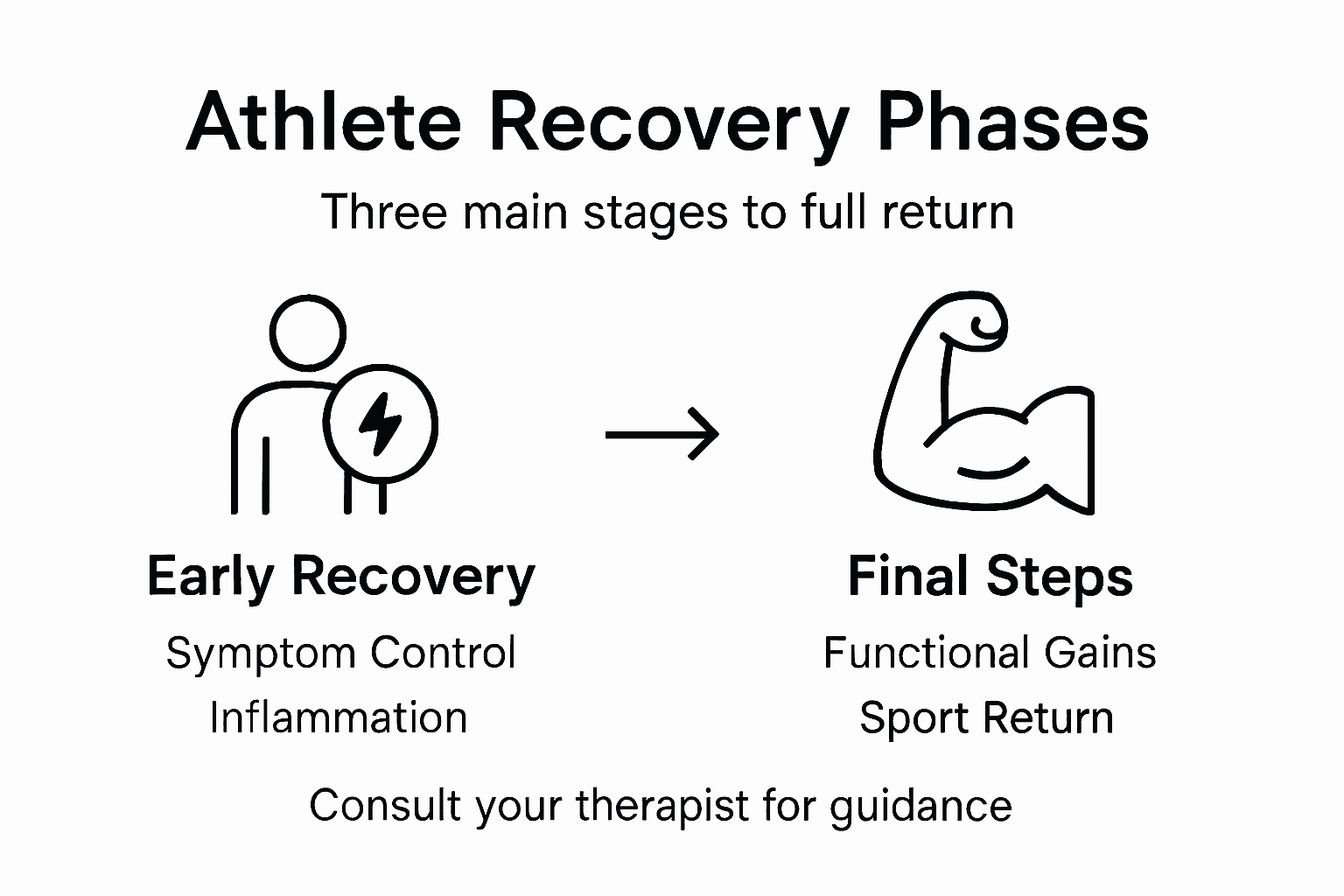
Phase 1: Symptom Control and Healing
Immediately after injury, your focus shifts to reducing pain and inflammation while protecting the damaged tissue. This initial phase typically lasts 1-3 weeks, depending on injury severity.
Your therapist uses sports physical therapy techniques to manage swelling and restore basic movement patterns. Treatment phases in sports physical therapy integrate restoring movement quality and healing from day one.
During this phase, expect:
- Pain management through ice, compression, and elevation
- Gentle range-of-motion exercises to prevent stiffness
- Basic strengthening of surrounding muscle groups
- Education about your injury and healing timeline
Phase 2: Functional Restoration
Once swelling decreases and pain becomes manageable, restoration begins. This phase focuses on rebuilding strength, flexibility, and movement quality—typically lasting 4-12 weeks.
Your exercises become progressively more demanding. You’re not just moving better; you’re building the specific strength patterns your sport demands.
Key elements include:
- Progressive resistance training targeting injured and supporting structures
- Movement quality work to eliminate compensation patterns
- Balance and proprioception training to rebuild your body’s awareness
- Cardiovascular conditioning tailored to your sport
Phase 3: Sport-Specific Conditioning and Return to Play
The final phase bridges rehabilitation and competition. You’re cleared to perform sport-specific movements, but under controlled conditions with progressive intensity.
This phase emphasizes return to sport rehabilitation rather than just return from injury. Your therapist tests your readiness through functional assessments before clearing you for full competition.
Expect sport-specific drills, agility work, and decision-making training that mimics actual game situations.
Effective rehabilitation progresses through phases—not to rush recovery, but to build sustainable function and prevent re-injury when you return to competition.
Pro tip: Don’t rush phase progressions based on how you feel today. Your sports physical therapist uses objective tests and measurements to determine readiness—trust the process even when you feel ready earlier.
Sports Injury Types and Real-World Examples
Athletes in Lewiston experience two main categories of sports injuries. Understanding which type you’re dealing with helps explain why your sports physical therapy approach differs.
Acute injuries happen suddenly during competition or training. A basketball player landing awkwardly and twisting their ankle. A football player taking a hit to the shoulder. These trauma-based injuries demand immediate attention and specific sports physical therapy protocols.
Chronic injuries develop gradually from repetitive stress. A runner’s shin splints that worsen over weeks. A pitcher’s rotator cuff damaged from throwing thousands of pitches. These overuse injuries sneak up on you, but they respond well to targeted rehabilitation.
Common Acute Injuries
Sports injuries broadly divide into acute and chronic categories based on how they occur. Acute injuries include:
- Sprains occur when ligaments stretch or tear (ankle, wrist, knee)
- Strains affecting muscles and tendons from sudden force
- Fractures are where bones break from direct impact
- Dislocations occur when joints pop out of place
These injuries hurt immediately and limit movement right away. Your sports physical therapy begins with pain control and protection, then progresses to strengthening.
Common Chronic Injuries
Overuse injuries develop differently. Your body can’t repair damage faster than you’re creating it through repetitive activity.
Common examples include:
- Tendonitis from repetitive movements (tennis elbow, Achilles tendonitis)
- Stress fractures from accumulated impact loading
- Bursitis where fluid-filled sacs around joints become inflamed
- Patellofemoral pain (runner’s knee) from movement imbalances
Chronic injuries often hurt worse with activity but improve with rest initially. Sports physical therapy addresses the underlying movement dysfunction causing the problem.
Sport-Specific Injury Patterns
Your sport determines your injury risk. Baseball pitchers develop shoulder issues. Basketball players sprain ankles. Swimmers get shoulder impingement.
Each sport creates unique demands that increase certain injury risks. Your sports physical therapist understands these patterns and designs your rehabilitation accordingly.
High school football players in Lewiston frequently deal with ACL tears and shoulder injuries. Cross-country runners typically experience shin splints and stress fractures. Your therapist tailors their approach based on your specific sport’s demands.
Here’s a summary comparing acute and chronic sports injuries and their typical physical therapy approaches:
| Injury Type | Typical Cause | Recovery Approach | Physical Therapy Focus |
|---|---|---|---|
| Acute Injury | Sudden trauma during play | Immediate intervention | Pain control, protection |
| Chronic Injury | Repetitive overuse | Gradual rehabilitation | Movement correction, endurance |
This quick reference table highlights common regenerative techniques and their expected benefits:
| Regenerative Method | Main Application | Expected Benefit |
|---|---|---|
| PRP Therapy | Inflammation reduction | Faster healing, less pain |
| Stem Cell Injection | Tissue regeneration | Repair of tendons or cartilage |
| Growth Factor Treatment | Injury site repair | Enhanced recovery speed |
| Biomaterials | Structural support | Improved tissue integration |
Whether your injury happened suddenly or developed gradually, sports physical therapy uses the same evidence-based approach: restore movement quality, rebuild strength, and prevent re-injury.
Pro tip: Report pain changes to your sports physical therapist immediately, even small ones. Worsening pain might signal you’re progressing too fast, allowing adjustment before serious re-injury occurs.
Risks, Limitations, and Alternatives Compared
Sports physical therapy is effective, but it’s not perfect. Understanding its limitations and how it compares to alternatives helps you make informed decisions about your recovery.
No treatment works identically for every athlete. Your response to sports physical therapy depends partly on factors beyond the specific exercises—your commitment, your relationship with your therapist, and even your belief in the treatment.
Limitations of Sports Physical Therapy
Sports physical therapy outcomes depend on non-specific factors like therapeutic alliance and placebo effects. This means success isn’t guaranteed, even with quality care.
Key limitations include:
- Variability in patient response to identical treatment protocols
- Adherence challenges when exercises hurt or require weeks of commitment
- Access barriers in smaller communities like Lewiston
- Practitioner expertise varies significantly between therapists
- Time requirements with gradual progress frustrating impatient athletes
Some athletes don’t improve as expected with conservative care. Others experience slower healing due to age, previous injuries, or underlying health conditions.
Surgery as an Alternative
Surgery becomes necessary when soft tissue damage is severe or when conservative care fails. Torn ACLs, rotator cuff tears, and labral injuries sometimes require surgical repair.
Surgery offers direct tissue repair but comes with higher costs and risks:
- Infection and bleeding complications
- Longer recovery periods (often 6-12 months)
- Higher expenses ($15,000-$50,000+)
- General anesthesia risks
- Need for post-surgical physical therapy anyway
Physical therapy offers less invasive, cost-effective alternatives compared to surgery for many injuries. Most athletes should exhaust conservative care before considering surgical options.
Medication and Injection-Based Options
Anti-inflammatory medications and corticosteroid injections provide temporary pain relief. They don’t fix the underlying problem—they mask symptoms while your tissue heals.
These approaches work best combined with sports physical therapy, not as standalone solutions.
Why Sports Physical Therapy Remains First-Line
Despite limitations, evidence-based sports physical therapy remains the safest starting point. Lower costs, fewer complications, and proven effectiveness make it the logical choice for most athletes recovering from injuries.
When conservative care fails after 8-12 weeks, then surgical consultation becomes appropriate.
Sports physical therapy has fewer risks and lower costs than surgery, making it the standard first treatment for sports injuries—surgery and injections are reserved for cases where conservative care proves insufficient.
Pro tip: If your sports physical therapy isn’t showing progress after 6-8 weeks, discuss it with your therapist rather than switching providers. Adjusting your treatment approach often works better than starting over elsewhere.
Unlock Your Peak Performance with Advanced Sports Physical Therapy
If you are dealing with a sports injury or looking to accelerate your recovery and return to competition stronger, understanding the phases of rehabilitation and regenerative techniques is crucial. At RegenTech Physical Therapy, we specialize in blending evidence-based regenerative medicine with personalized movement and mobility strategies to transform your healing journey. From managing acute injuries to overcoming chronic pain, our approach focuses on rebuilding strength, restoring function, and preventing re-injury through innovative therapies like Class IV laser therapy, shockwave, and blood flow restriction.
Don’t let pain or injury hold you back any longer. Explore how our tailored treatments in the Regenerative Medicine Archives – Regentech Physical Therapy and Movement & Mobility Archives – Regentech Physical Therapy can help you recover faster and rise to your full athletic potential. Visit RegenTech Physical Therapy today to schedule your initial evaluation and take the first step toward a stronger, healthier you.
Frequently Asked Questions
What is sports physical therapy?
Sports physical therapy is a specialized field that focuses on helping athletes recover from injuries and optimize their performance through tailored rehabilitation strategies.
How does sports physical therapy differ from standard physical therapy?
Sports physical therapy is sport-specific, focuses on performance optimization, injury prevention, and ensures a rapid return to play using evidence-based protocols rather than generic timelines.
What types of injuries are common in sports physical therapy?
Common injuries treated in sports physical therapy include acute injuries such as sprains and fractures, as well as chronic injuries like tendonitis and stress fractures, each requiring different rehabilitation approaches.
What are regenerative techniques in sports physical therapy?
Regenerative techniques use the body’s own healing capacity to repair damaged tissues faster. Methods like Platelet-Rich Plasma (PRP), stem cell therapy, and growth factor treatments stimulate healing at the cellular level, enhancing recovery outcomes.
Recommended


