

Healing after a sports injury or surgery often feels like much more than a physical process—it is an emotional and psychological journey, too. For residents recovering in Lewiston, ID, the path to full recovery is shaped by not only medical interventions but also the mind’s expectations and beliefs. A well-prepared mindset and supportive recovery strategies can reshape your rehabilitation experience, opening the door to innovative pain management methods and lasting healing.
The Psychology Behind Surgery as a ‘Fix’
Understanding surgery as more than a physical intervention requires exploring the complex psychological landscape that patients navigate. For many individuals, surgery represents a profound emotional journey, where physical healing intertwines deeply with mental expectations and hopes for transformation. Surgical complications can significantly impact postoperative psychological well-being, creating a nuanced experience far beyond simple medical procedure.
Patients often approach surgery with multifaceted psychological motivations that extend well beyond medical necessity. These motivations frequently include:
- Restoring body image and self-perception
- Eliminating persistent physical limitations
- Seeking emotional relief through physical intervention
- Regaining a sense of personal control
- Addressing long-standing physical insecurities
The psychological expectations surrounding surgery can dramatically influence recovery outcomes. Patient mood disorders profoundly shape postoperative psychological experiences, meaning that mental preparation becomes just as crucial as physical readiness. Understanding these psychological dynamics helps medical professionals create more holistic treatment approaches that address both physical and emotional healing.
Recovery is not merely a physical process but a complex psychological transformation. Patients must recognize that surgery represents a starting point, not an instant solution. Emotional resilience, positive mindset, and realistic expectations play critical roles in successful rehabilitation and long-term healing.
Pro tip: Develop a comprehensive mental preparation strategy before your surgical procedure, including journaling, discussing expectations with your healthcare provider, and establishing a supportive recovery network.
Here is a comparison of common psychological approaches influencing surgery recovery:
| Approach Type | Recovery Impact | Typical Patient Behavior |
|---|---|---|
| Growth-Oriented | Faster rehabilitation gains | Actively sets recovery goals |
| Passive Acceptance | Slower progress | Relies solely on medical staff |
| Catastrophic Focus | Increased complications | Frequently worries, feels helpless |
| Balanced Optimism | Steady improvement | Maintains clear, realistic outlook |
Belief Effects on Pain Perception and Healing
The intricate relationship between mental beliefs and physical healing represents a profound frontier in understanding pain management. Our psychological framework doesn’t just interpret pain—it actively shapes our physiological response and recovery potential. Spiritual well-being significantly influences pain management strategies, demonstrating how deeply our mental state interconnects with physical healing processes.
Critical aspects of belief’s impact on pain perception include:
- Reducing pain catastrophizing
- Modulating pain intensity perception
- Enhancing psychological resilience
- Improving overall treatment engagement
- Promoting holistic healing approaches
Beyond mere symptom management, beliefs about pain create powerful neurological and psychological responses. Living meaningfully despite chronic pain contributes to better psychological adjustment, potentially decreasing symptoms of anxiety and depression. This suggests that our mental narrative about pain can be as transformative as medical interventions themselves.
Pain perception operates through a complex interplay of neurological signals, emotional processing, and personal interpretation. Patients who develop constructive belief systems about their healing potential often experience more positive outcomes, demonstrating that mental attitude is not just complementary—it’s fundamental to the recovery process.
Pro tip: Develop a daily mindfulness practice that reframes your pain experience as a temporary journey of healing, focusing on progress and potential rather than limitations.
How Fix-Mindset Accelerates Rehabilitation Progress
Recovery mindset represents a powerful psychological tool that can dramatically transform rehabilitation outcomes. Unlike traditional approaches that view healing as a passive process, a proactive mental framework actively influences physical recovery. Physical therapists recognize how patient mindset critically impacts rehabilitation progress, demonstrating that mental attitude is not just complementary—it’s fundamental to successful healing.
Key characteristics of a transformative rehabilitation mindset include:
- Viewing challenges as opportunities for growth
- Maintaining unwavering commitment to recovery goals
- Embracing incremental progress
- Developing emotional resilience
- Practicing consistent self-compassion
- Reframing setbacks as learning experiences
Patients who cultivate a growth-oriented perspective experience profound benefits. Positive attitudes significantly enhance motivation and therapy adherence, creating a neurological and psychological environment conducive to faster healing. This approach transforms rehabilitation from a mechanical process into a dynamic, personally empowered journey of recovery.
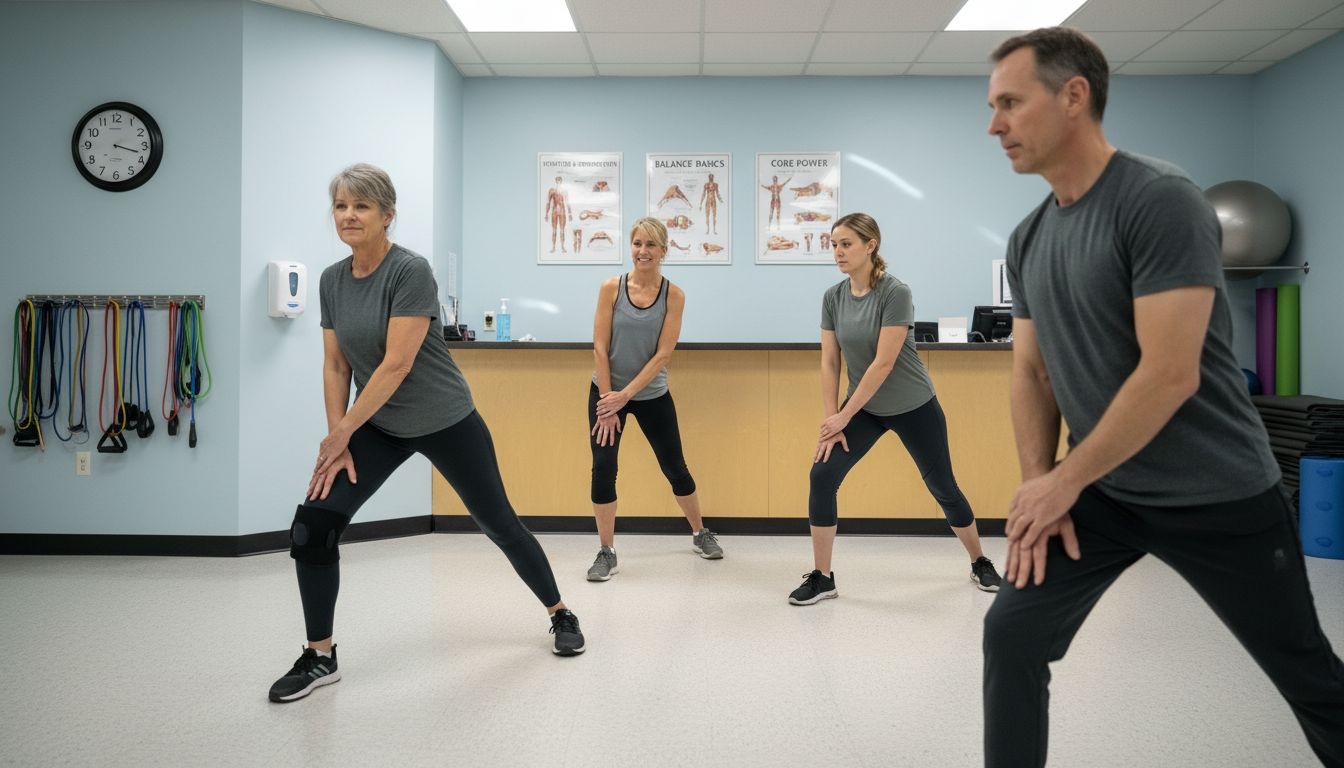
Successful rehabilitation requires more than physical interventions—it demands a holistic approach that integrates mental strength with targeted therapeutic strategies. By understanding that progress is nonlinear and embracing each recovery milestone, patients can unlock extraordinary healing potential that transcends traditional medical expectations.
Pro tip: Create a daily recovery journal documenting small wins and emotional insights, helping you maintain a positive, growth-oriented perspective throughout your rehabilitation journey.
Pitfalls of Overreliance on Surgical Solutions
Surgical intervention represents a powerful medical tool, but uncritical dependence can create significant risks that extend far beyond the operating room. While advanced medical technologies offer remarkable healing potential, healthcare technologies can produce unintended safety consequences when approached without careful, holistic consideration.
Critical pitfalls of overrelying on surgical solutions include:
- Neglecting underlying root causes of medical conditions
- Overlooking alternative, less invasive treatment approaches
- Creating psychological dependency on medical interventions
- Increasing patient vulnerability through excessive technological reliance
- Diminishing patient agency in personal healing processes
- Potentially escalating medical complexity unnecessarily
Surgical advances require multidisciplinary integration to avoid ethical challenges and ensure comprehensive patient care. The most effective medical strategies recognize that healing transcends singular interventions, demanding a nuanced approach that balances technological capability with human-centered rehabilitation strategies.
True healing emerges from understanding medical interventions as collaborative processes, not isolated solutions. Patients must actively engage with their healthcare providers, asking critical questions about alternative treatments, potential long-term implications, and comprehensive recovery strategies that address physical, psychological, and emotional dimensions of well-being.
Pro tip: Always request a comprehensive, multidisciplinary assessment before committing to surgical solutions, ensuring you understand all potential treatment pathways and their holistic implications.
Translating Surgical Optimism into Lasting Recovery
Surgical optimism represents more than a positive attitude—it’s a strategic psychological approach that can significantly influence recovery trajectories. Optimism before and after surgery positively affects healing processes, creating a powerful mindset that actively contributes to rehabilitation success.
Key strategies for transforming surgical optimism into tangible recovery outcomes include:
- Establishing clear, measurable recovery goals
- Developing a consistent rehabilitation routine
- Maintaining open communication with healthcare providers
- Practicing realistic yet positive expectations
- Embracing incremental progress
- Cultivating emotional resilience
Realistic optimism correlates with improved psychosocial recovery, emphasizing the importance of grounded positive expectations. This approach goes beyond blind positivity, focusing instead on constructive engagement with the healing process. Patients who understand recovery as a dynamic, collaborative journey are more likely to navigate challenges effectively and maintain long-term momentum.
Successful recovery demands a balanced perspective that acknowledges both challenges and opportunities. By integrating optimistic thinking with practical rehabilitation strategies, patients can transform surgical experiences from isolated medical events into comprehensive personal growth opportunities.
Pro tip: Create a recovery vision board that visualizes your healing journey, combining medical milestones with personal aspirations to maintain motivation and perspective.
This table summarizes holistic strategies for promoting lasting post-surgery improvement:
| Strategy | Role in Healing | Example Application |
|---|---|---|
| Mindfulness Practice | Reduces pain perception | Daily meditation sessions |
| Support Network | Improves emotional health | Regular contact with peers |
| Goal Visualization | Increases motivation | Visual recovery boards |
| Multidisciplinary Care | Addresses all recovery needs | Team-based treatment planning |
Strengthen Your Recovery Mindset with Advanced Solutions at RegenTech Physical Therapy
Surgery may feel like a quick fix, but true healing requires a strong recovery mindset that blends physical and psychological care. If you are navigating pain, seeking faster rehabilitation, or struggling to maintain optimism during recovery, you are not alone. At RegenTech Physical Therapy, we specialize in regenerative techniques that support your body’s natural healing while empowering your mental resilience. Our three-phase approach—Regenerate, Restore, Rise—focuses on accelerating healing, reducing pain, and improving function without overreliance on surgical fixes.
Explore innovative therapies like Class IV laser therapy and shockwave treatment in our Innovative Treatments Archives – Regentech Physical Therapy to complement a growth-oriented mindset for recovery. Discover personalized strategies in our Pain Relief & Recovery Archives – Regentech Physical Therapy that address both physical healing and psychological well-being. Take the first step towards meaningful rehabilitation today by visiting RegenTech Physical Therapy and schedule your consultation. Embrace a holistic path that transforms surgery from a quick fix into lasting recovery and personal growth.
Frequently Asked Questions
What psychological factors influence patients’ mindsets before surgery?
Psychological factors include restoring body image, eliminating physical limitations, seeking emotional relief, regaining personal control, and addressing insecurities. These motivations can significantly affect recovery outcomes.
How can mental preparation benefit surgical recovery?
Mental preparation, including developing a positive mindset and setting realistic expectations, can enhance psychological resilience and improve overall recovery rates post-surgery.
What are the potential pitfalls of relying too heavily on surgical solutions?
Overreliance on surgical solutions risks neglecting underlying health issues, overlooking less invasive treatments, and creating a psychological dependency on medical interventions.
How does belief in recovery affect pain perception?
Beliefs about recovery can influence pain intensity and perception, enhance emotional resilience, and improve treatment engagement, ultimately leading to better healing outcomes.
Recommended


