

Please note: RegenTech Physical Therapy is not currently accepting new pelvic floor therapy patients. We continue to offer orthopedic, sports, post-surgical, and regenerative physical therapy. Contact us with any questions.
One in four women and many men experience pelvic floor dysfunction, yet most delay seeking help due to embarrassment or false beliefs that symptoms will resolve on their own. The reality is that pelvic health extends far beyond occasional discomfort, affecting bladder control, bowel function, sexual wellness, and overall quality of life. This guide explains the interconnected systems involved in pelvic health, identifies underrecognized causes of dysfunction, explores cutting-edge regenerative therapies that accelerate healing, and debunks persistent myths preventing timely care.
Key Takeaways
| Point | Details |
|---|---|
| Pelvic health impacts multiple body systems | Dysfunction affects bladder, bowel, sexual function, and musculoskeletal alignment, reducing quality of life. |
| Chronic pelvic pain has complex, often missed causes | Inflammation, nerve issues, and muscle dysfunction interact, leading to frequent misdiagnosis and delayed treatment. |
| Common myths delay effective care | False beliefs about natural resolution and surgery-only options worsen outcomes and prolong suffering. |
| Personalized therapy plans improve recovery | Tailored multimodal approaches yield superior pain relief, function gains, and patient satisfaction. |
Understanding Pelvic Health: Anatomy and Systemic Importance
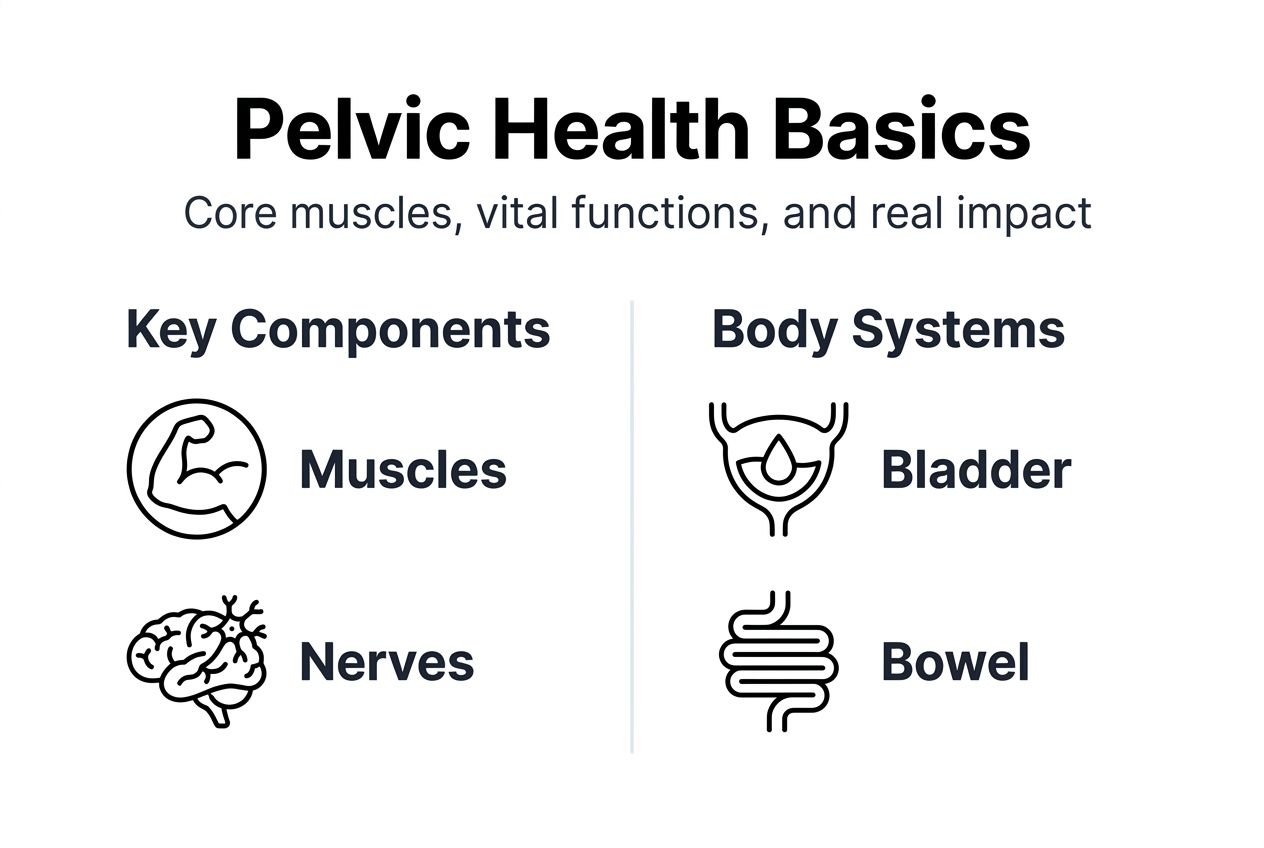
The pelvic floor consists of muscles, ligaments, nerves, and connective tissues forming a supportive hammock for the bladder, bowel, and reproductive organs. These structures coordinate to control urination, defecation, sexual function, and core stability. When pelvic muscles weaken or spasm, the effects ripple through multiple body systems.
Pelvic floor dysfunction affects roughly 1 in 4 women and many men, impairing bladder, bowel, and sexual function. Symptoms range from urinary urgency and leakage to painful intercourse and chronic pelvic discomfort. Beyond the pelvic region itself, dysfunction often coexists with hip, lower back, and abdominal issues, creating a web of interconnected problems.

Research shows that over 60% of pelvic pain patients have associated lumbar or hip musculoskeletal dysfunction. This overlap complicates diagnosis because symptoms may mimic other conditions. A patient experiencing hip pain might actually have pelvic floor tension referring pain outward, while someone with chronic low back pain could have weak pelvic stabilizers as the root cause.
Key Functions Affected by Pelvic Health Include:
- Bladder control and urinary frequency
- Bowel regularity and comfortable defecation
- Sexual function and pleasure without pain
- Core stability and postural alignment
- Hip and lumbar spine mechanics
The psychological toll of chronic pelvic dysfunction is equally significant. Constant discomfort, embarrassment about symptoms, and reduced participation in activities erode mental well-being. Many people withdraw socially, avoid exercise, and experience depression or anxiety as secondary effects. Addressing pelvic health means treating the whole person, not just isolated symptoms.
“Pelvic health is foundational to overall wellness. When the pelvic floor functions optimally, bladder, bowel, sexual, and core systems work harmoniously, supporting active, pain-free living.”
Understanding the anatomy helps you recognize why pelvic health physical therapy takes a comprehensive approach rather than focusing on one symptom in isolation.
Common and Underrecognized Causes of Pelvic Health Issues
Pelvic pain and dysfunction arise from multiple interacting factors, which is why standard treatments often fail. Inflammation from endometriosis or pelvic inflammatory disease, nerve irritation from surgical scarring, muscle spasms from overuse or trauma, and fascial restrictions from chronic tension all contribute. No single cause explains most cases.
Chronic pelvic pain often involves musculoskeletal, neurological, and inflammatory factors, complicating treatment. A patient might visit multiple specialists, each addressing one aspect while missing the bigger picture. This fragmented approach leads to frustration and worsening symptoms over time.
Delayed diagnosis remains a critical challenge. Studies reveal 45% of patients with chronic pelvic pain report previous misdiagnosis or no proper diagnosis. Primary care providers may attribute symptoms to stress, aging, or minor issues, dismissing legitimate concerns. Patients then suffer for months or years before finding appropriate care.
Common Causes Often Missed in Initial Evaluations:
- Myofascial trigger points in pelvic floor muscles causing referred pain
- Pudendal nerve entrapment creating burning, tingling, or numbness
- Pelvic joint misalignment affecting sacroiliac and hip mechanics
- Abdominal adhesions from surgery restricting tissue mobility
- Overactive pelvic muscles unable to relax properly
| Factor | Impact on Pelvic Health |
|---|---|
| Inflammation | Causes tissue irritation, pain, and dysfunction in organs and nerves |
| Nerve dysfunction | Creates burning, tingling, numbness, and referred pain patterns |
| Muscle spasm | Restricts movement, causes pain, and impairs bladder and bowel control |
| Fascial restrictions | Limits tissue glide, creates tension, and affects alignment |
Pro Tip: Keep a symptom journal tracking pain location, intensity, timing, and triggers. Patterns help specialists identify root causes faster, leading to more targeted treatment.
Misdiagnosis often results from evaluating symptoms in isolation rather than considering the interconnected pelvic ecosystem. A comprehensive assessment examines muscle function, nerve pathways, joint alignment, and systemic factors together. This holistic view is essential for accurate diagnosis and effective treatment planning, which is why specialized pelvic health physical therapy makes such a difference.
Myths and Misconceptions About Pelvic Pain and Treatment
False beliefs about pelvic health delay treatment and worsen outcomes. Recognizing these misconceptions helps you seek appropriate care sooner and avoid unnecessary suffering.
Myth one claims pelvic pain will resolve on its own without intervention. While acute issues sometimes improve naturally, chronic pelvic dysfunction rarely disappears without targeted treatment. Data shows 48% of patients delayed seeking care because they believed pelvic pain would go away on its own. This delay allows dysfunction to become entrenched, making recovery more complex.
Another pervasive myth suggests surgery is the only effective treatment for pelvic issues. While surgery helps specific structural problems, most pelvic floor dysfunction responds well to conservative regenerative therapies. Physical therapy addresses muscle imbalances, nerve sensitivity, and fascial restrictions without surgical risks or recovery time.
Many believe pelvic health issues only affect women, particularly after childbirth. Men experience pelvic floor dysfunction too, often related to chronic prostatitis, post-surgical complications, or sports injuries. Gender bias in healthcare means men’s pelvic symptoms get overlooked or dismissed even more frequently than women’s.
Common Misconceptions That Prevent Timely Care:
- Pelvic pain is just part of aging and must be endured
- Kegel exercises alone fix all pelvic floor problems
- Seeing multiple doctors without improvement means nothing can help
- Discussing pelvic symptoms is too embarrassing to address
- Physical therapy for pelvic health is the same as general physical therapy
The belief that all pelvic floor problems stem from weakness leads patients to over-exercise already tight muscles, worsening symptoms. Some pelvic dysfunction involves overactive muscles that need to learn to relax, not contract harder. Proper assessment determines whether you need strengthening, relaxation, or coordination training.
Finally, many assume pelvic pain diagnosis is straightforward. The reality is that symptoms overlap across multiple conditions, requiring careful evaluation by specialists familiar with the complex interplay of pelvic structures. Standard imaging often appears normal even when significant dysfunction exists, making clinical assessment skills critical.
Debunking these myths empowers you to pursue effective treatment confidently, knowing that conservative regenerative approaches offer real solutions without unnecessary interventions.
Assessing Your Pelvic Health: When to Seek Help and What to Expect
Recognizing when symptoms require professional evaluation can be challenging because pelvic dysfunction develops gradually, and people often normalize discomfort. Certain signs indicate it is time to seek assessment.
Seek Evaluation if You Experience:
- Urinary urgency, frequency, or leakage beyond normal patterns
- Pain during intercourse or pelvic exams
- Chronic pelvic, hip, or lower back pain lasting over three months
- Bowel dysfunction, including constipation or painful movements
- Sensation of pelvic heaviness or pressure
- Pain that limits daily activities or exercise
Research confirms 45% of patients with chronic pelvic pain were previously undiagnosed or misdiagnosed. Primary care providers, while essential, often lack specialized training in pelvic floor assessment. Symptoms get attributed to other causes or dismissed as normal variations, leaving underlying dysfunction untreated.
Early comprehensive assessment dramatically improves prognosis. Identifying dysfunction before it becomes chronic prevents compensatory movement patterns, protects surrounding structures from overuse, and preserves quality of life. Waiting months or years allows problems to compound, making recovery longer and more complex.
A Thorough Pelvic Health Evaluation Examines:
- External and internal muscle tone, strength, and coordination
- Nerve sensitivity and pain patterns
- Joint alignment and mobility throughout the pelvis and spine
- Breathing patterns and core muscle function
- Posture, movement habits, and exercise form
Pro Tip: Prepare for your evaluation by listing all symptoms, their triggers, and what makes them better or worse. Include seemingly unrelated issues like digestive problems or hip pain since pelvic dysfunction often connects to other regions.
The multidisciplinary approach combines physical therapy with medical management when needed. Specialists communicate to ensure treatments complement rather than contradict each other. This coordination prevents gaps in care and addresses all contributing factors simultaneously.
Patient education forms a critical component of effective treatment. Studies demonstrate targeted patient education improves treatment engagement and outcomes by 25%. Understanding your condition, how treatments work, and what to expect during recovery increases adherence to therapy recommendations and builds confidence in the process.
Specialized pelvic health physical therapy provides the expertise needed for accurate assessment and effective treatment planning, ensuring you receive care tailored to your specific dysfunction patterns rather than generic protocols.
Personalized Regenerative Therapy: Tailoring Treatment to You
Generic treatment protocols ignore the reality that each person’s pelvic dysfunction has unique contributing factors, symptom patterns, and functional limitations. Personalized regenerative therapy customizes every aspect of care based on your specific assessment findings and goals.
Treatment builds on initial healing by retraining muscle coordination, improving strength, and addressing movement dysfunctions. Targeted exercises bring the pelvic floor back to normal function, reconnecting the brain-muscle communication disrupted by chronic dysfunction.
The treatment concludes by returning you to full activities with confidence. Advanced strengthening, sport-specific training, and lifestyle modifications ensure long-term success. Patients learn to maintain gains independently and recognize early warning signs if symptoms begin returning.
Personalized Treatment Addresses Different Aspects of Dysfunction Simultaneously:
- Muscle retraining combining relaxation techniques for overactive muscles and strengthening for weak stabilizers
- Movement pattern correction, preventing compensatory habits that perpetuate dysfunction
- Lifestyle modifications supporting sustained recovery
Patients Report Significant Improvements Across Multiple Measures:
- Pain reduction of 60-80% within eight to twelve weeks
- Improved bladder control, eliminating urgency and leakage
- Return to pain-free sexual activity
- Restored ability to exercise without symptom flares
- Enhanced quality of life and mental well-being
Higher patient satisfaction results from feeling heard, understood, and actively involved in treatment decisions. Personalized care respects your pace, preferences, and priorities rather than forcing you through rigid protocols. This collaborative approach builds trust and commitment to the rehabilitation process.
Local expertise matters because pelvic health therapy requires specialized training beyond general physical therapy education. Therapists experienced in regenerative modalities, internal pelvic assessment, and complex pain patterns provide superior care. Accessing this expertise locally in Lewiston means convenient appointments, consistent follow-up, and therapists familiar with your lifestyle and activity needs.
Discover how pelvic health physical therapy combines regenerative technologies with hands-on treatment for comprehensive care. Learn about specialized approaches to pelvic floor physical therapy pain management and explore the full scope of RegenTech pelvic therapy services.
Explore Personalized Regenerative Pelvic Therapy in Lewiston, ID
You have learned how pelvic health affects multiple body systems, why conventional treatments often miss the mark, and how regenerative therapies accelerate healing through targeted cellular mechanisms. Now it is time to apply this knowledge to your own recovery journey.

RegenTech Physical Therapy offers comprehensive regenerative pelvic health services right here in Lewiston. Our experienced therapists combine Class IV laser therapy, shockwave treatment, dry needling, blood flow restriction training, and electrical stimulation into personalized treatment plans designed for your unique needs. We take time to understand your specific symptoms, goals, and concerns, creating a roadmap for recovery that respects your pace while driving measurable progress. Whether you are dealing with chronic pelvic pain, bladder control issues, postpartum dysfunction, or pain limiting your activities, our three-phase approach addresses root causes rather than just managing symptoms. Discover how pelvic health physical therapy transforms lives through innovative, evidence-based care. Explore our complete regenerative physical therapy guide and learn about specific laser therapy benefits for tissue healing.
Frequently Asked Questions
Why does pelvic health matter beyond just discomfort?
Pelvic health directly impacts bladder control, bowel regularity, sexual function, and core stability. Dysfunction in this region affects your ability to exercise, work, and participate in daily activities comfortably. Beyond physical symptoms, chronic pelvic issues significantly impact mental health, relationships, and overall quality of life. Addressing pelvic health means treating interconnected systems that influence your entire wellbeing, not just isolated discomfort.
How do regenerative therapies differ from traditional physical therapy?
Regenerative therapies like Class IV laser, shockwave, and dry needling actively stimulate cellular repair and tissue healing at the source of dysfunction. Traditional physical therapy focuses primarily on exercises and manual techniques that improve symptoms but may not address underlying tissue damage or inflammation. Regenerative modalities accelerate recovery by enhancing your body’s natural healing processes, often reducing treatment duration and producing more lasting results.
When should I seek a professional pelvic health evaluation?
Seek evaluation if you experience urinary urgency or leakage, pain during intercourse, chronic pelvic or lower back pain lasting over three months, bowel dysfunction, or pelvic pressure affecting daily activities. Early assessment prevents dysfunction from becoming chronic and complicated. Do not wait for symptoms to become severe or assume they will resolve on their own, as delayed treatment typically means longer recovery.
How do personalized treatment plans improve outcomes?
Personalized plans account for your specific dysfunction patterns, symptom triggers, lifestyle factors, and recovery goals rather than applying generic protocols. Customizing modality selection, treatment intensity, exercise progression, and session frequency to your unique needs optimizes healing and prevents setbacks. Research shows personalized approaches yield 25-35% better functional outcomes and higher patient satisfaction compared to one-size-fits-all treatments.
Can physical therapy really reduce the need for surgery and opioids?
Yes, comprehensive regenerative physical therapy addresses most pelvic floor dysfunction conservatively, reserving surgery only for specific structural issues requiring anatomical correction. Regenerative modalities reduce pain and inflammation naturally, eliminating or significantly reducing opioid dependence. Studies show over 70% of patients with chronic pelvic pain achieve meaningful improvement through targeted physical therapy, avoiding surgical risks and medication side effects while restoring function.


